
Vacant Home Staging in NJ: What Rooms Should You Stage First?
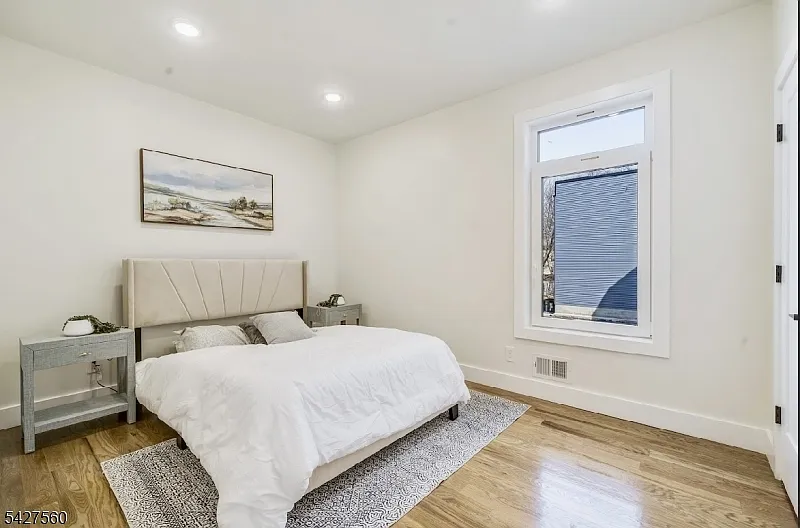
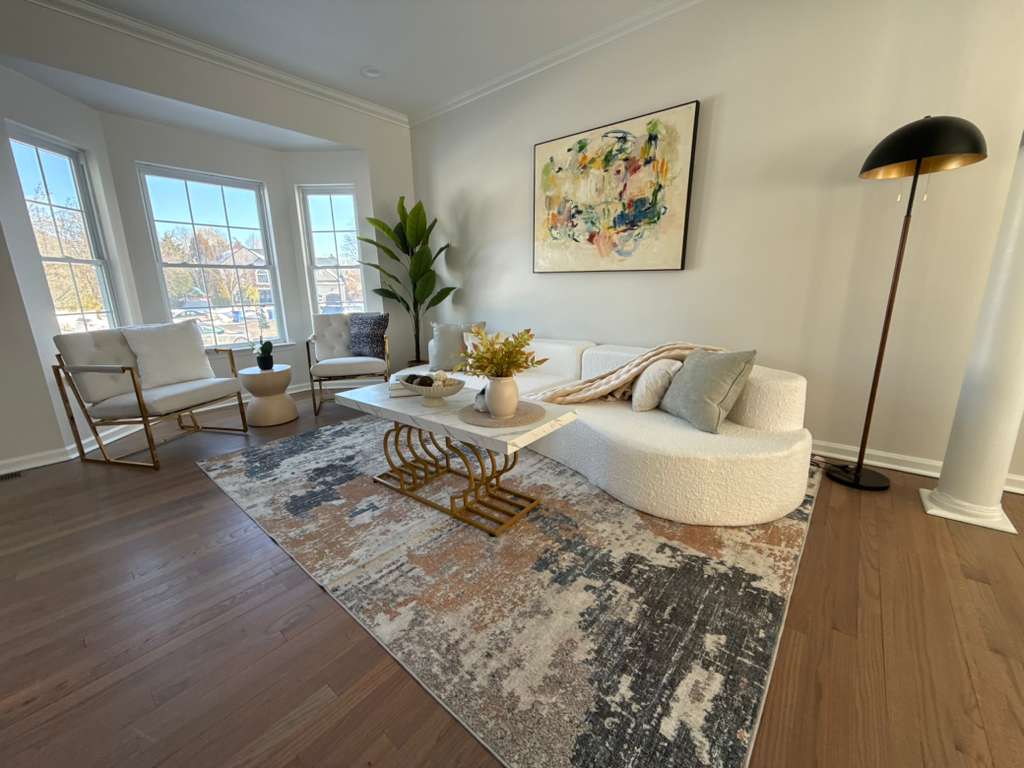
Home VACANT HOME STAGING NEW JERSEY Vacant Home Staging in NJ: What Rooms Should You Stage First? You don’t have to furnish every room to sell an empty house well. Here’s the room-by-room priority order that carries the most weight in listing photos and showings. StageIT Staging Team . July 2026 . 7 min read Get Free Estimate KEY TAKEAWAYS The short version Empty rooms usually feel smaller in photos, not larger—there’s nothing to give the eye a sense of scale. Partial staging is smart budgeting—focus spend on the rooms that carry the listing photos and the showing. Stage the rooms buyers need to understand first: living room, primary bedroom, then kitchen and dining. Entryways, bathrooms, and outdoor areas photograph well for little effort and polish the whole listing. An empty house can look clean and well-kept in person, but in listing photos it often reads as flat, cold, and hard to size up. Buyers scrolling through New Jersey listings can’t always tell where a sofa would fit, how large a bedroom really is, or how one room connects to the next. That uncertainty is exactly what vacant home staging in NJ is meant to solve. When a home is completely empty, every room asks the buyer to do the imagining. Staging does that work for them—giving each space a clear purpose, a sense of scale, and a reason to feel like home. But you don’t always need to furnish every room to get there. The smarter question for most NJ sellers is: which rooms should you stage first? This guide walks through the rooms that carry the most weight in photos and showings, in the order that usually matters most. WHY IT’S DIFFERENT Why Vacant Homes in NJ Need a Different Strategy Staging an occupied home is mostly about editing—removing clutter, repositioning what’s already there, and helping the home photograph cleanly. A vacant property is a different problem. There’s nothing to edit. Empty rooms tend to feel smaller, not larger, because there’s no furniture to give the eye a sense of proportion. Hardwood and tile echo. Corners look unfinished. And in photos, a bare room can be almost impossible to read. New Jersey listings face this in a particular way. Buyers here are comparing shore condos, suburban colonials, older homes near the Philadelphia line, and new construction—often in the same afternoon of browsing. A vacant room gives them nothing to anchor to, so the listing blends in. Physical staging with real furniture gives each room scale, function, and flow, which is what helps a staged property stand out both online and during a walkthrough. When a home is empty, every room asks the buyer to do the imagining. Staging does that work for them. STAGING PRINCIPLE · VACANT LISTINGS PRIORITY NO. 1 Start With the Living Room If you stage one room, make it the living room. It’s usually the first interior shot in a listing, the first space buyers step into at a showing, and the room that sets expectations for everything that follows. An empty living room is hard to judge. Buyers can’t tell whether their furniture will fit, where the focal point is, or how the room connects to the kitchen or dining area. Staging answers all of that. A correctly scaled sofa, a pair of chairs, an area rug, and a clear focal point—often the fireplace or the main window—quickly communicate how the space lives. The goal isn’t decoration. It’s clarity. Right-sized furniture shows proportion. A defined seating arrangement shows traffic paths. Warm, neutral styling keeps the focus on the room itself rather than on bold personal taste. Done well, the living room becomes the photo that earns the click and the showing that earns a second visit. PRIORITY NO. 2 Stage the Primary Bedroom for Comfort and Confidence After the living room, the primary bedroom is the room buyers most want to picture themselves in. It’s also one of the easiest rooms to misjudge when empty. Without a bed, buyers can’t tell whether a queen or king will fit, how much walking room is left, or whether the closet and windows are well placed. A staged primary bedroom solves this with a properly scaled bed, simple nightstands, soft lighting, and layered, neutral bedding. This is the room where staging does its quiet emotional work—it’s where a buyer first thinks, this could be home. That feeling is hard to create with an empty box and a closet door. For NJ sellers, the primary bedroom is also a strong second image in the listing set. A calm, well-styled bedroom reassures buyers that the rest of the home has been cared for. PRIORITY NO. 3 Make the Kitchen and Dining Area Feel Lived-In Kitchens matter to buyers, but you don’t stage a kitchen the way you stage a living room. The cabinets, counters, and appliances are already there—staging is about adding light, life, and a sense of everyday use without clutter. A few well-chosen counter accents, a bowl of fresh produce, clean dish towels, and good lighting are usually enough to make a kitchen feel cared for and ready. If there’s an eat-in area or a peninsula, a couple of counter stools show how the space functions day to day. The dining area deserves attention too, because empty dining rooms are some of the most confusing spaces in a vacant home. Buyers often can’t tell whether a table even fits. A properly scaled dining table and chairs answer that question immediately and give the room an obvious purpose. THE FINISHING TOUCHES Don’t Ignore Entryways, Bathrooms, and Outdoor Areas The big rooms do the heavy lifting, but smaller spaces shape how polished the home feels—and several of them photograph extremely well for the effort involved. The entryway is the first thing buyers see at a showing and often the first detail that signals whether a home has been thoughtfully prepared. A console, a mirror, a runner, and a little warmth make a strong first impression in seconds. Bathrooms
Vacant vs. Occupied Home Staging: NJ Seller’s Guide
Home HOME STAGING NEW JERSEY Vacant vs. Occupied Home Staging: A New Jersey Seller’s Guide Empty house or still living in it? Each situation calls for a different staging approach—and it affects how your rooms photograph, how they show, and what you’ll spend. Here’s how to choose. StageIT Staging Team . July 2026 . 8 min read Get Free Estimate KEY TAKEAWAYS The short version The deciding factor is simple: is anyone still living in the home? Vacant is generally a larger investment; occupied is lighter but asks more of you day to day. Vacant staging brings in rented furniture; occupied staging edits what you already own. A hybrid works too—edit the furnished rooms, add a few rental pieces where they’re needed. You’re getting ready to list, and you’re standing in one of two situations. Either the home is completely empty—keys handed back, rooms echoing—or you’re still living in it, surrounded by the furniture, photos, and daily clutter of real life. Each situation calls for a different staging approach, and choosing the right one affects how your rooms photograph, how they show, and how much you’ll spend getting there. For empty properties, vacant home staging brings in rented furniture and decor to give each room scale and purpose. For homes you still live in, occupied staging works with what you already own. Knowing which path fits your home is the first real decision in your listing prep, and it’s easier to make once you understand what each one actually involves. This guide walks New Jersey sellers and agents through both. THE CORE DISTINCTION Vacant Spaces vs. Inhabited Properties The dividing line is simple: is anyone still living in the home? An empty home creates a specific problem for buyers. Without furniture, rooms lose their reference points. A buyer walking into a bare living room often can’t tell where a sofa would go, how the space connects to the dining area, or whether the room is generously sized or just oddly shaped. Empty rooms also photograph poorly—bare walls and floors read flat online, and listing photos are where most buyers form their first impression. Vacant home staging solves this by furnishing the key rooms so each one shows a clear function and a believable sense of scale. A lived-in home has the opposite challenge. The furniture is already there, but it’s arranged for everyday living, not for selling. Personal photos, mismatched pieces, crowded surfaces, and rooms doing double duty can make it harder for buyers to picture themselves in the space. Occupied staging addresses this through editing rather than importing—repositioning, decluttering, and depersonalizing what the seller already owns, sometimes adding a few rental accents to fill gaps. Both approaches share the same goal: help buyers understand the layout, see each room’s purpose, and connect with the home before they ever walk through the door. They just start from different places. For Empty Homes Vacant Staging For Lived-in Homes Occupied Staging Best for Homes that are completely empty Homes you still live in, furniture in good condition The approach Bring in rented furniture & decor Edit, declutter & reposition what you own Investment Generally larger—nearly everything is rented Generally lighter—leans on your furniture Timeline Needs delivery & install scheduled before photos Often quicker—furniture is already in place Asks of you Little day-to-day once installed Keeping the home photo-ready between showings COST The Cost Breakdown of Vacant Staging Cost is usually the next question, and it’s a fair one. Vacant home staging is generally a larger investment than occupied staging, and the reason is straightforward: nearly everything in the home is brought in and rented. A few factors drive the figure for a vacant project: how many rooms you stage (most sellers focus on the living room, primary bedroom, dining area, kitchen or eat-in space, and sometimes a home office or outdoor area); the furniture and decor package (sofas, beds, dining sets, rugs, lamps, artwork, and accessories, matched to the property type and target buyer); the rental period (staging is temporary, so how long furniture stays before the home sells affects the total); and delivery, installation, and removal (a turnkey process brings everything in, styles it, and takes it out once the home is under contract). It helps to weigh that investment against what an empty home costs you in attention. Bare rooms tend to generate weaker listing photos and fewer emotional connections during showings, which can mean a slower path to the right offer. Staging the rooms that matter most is one way to keep a vacant listing competitive without furnishing the entire house. Because every property and timeline is different, there’s no flat price that fits all homes. The most accurate way to understand your number is a free estimate based on your specific rooms and goals. OCCUPIED STAGING Maximizing Your Own Furniture With Expert Editing Occupied home staging is the right fit when you’re still living in the property and your furniture is in reasonable condition. Instead of renting a full package, the work centers on getting more out of what’s already there. A typical occupied staging effort involves several moves working together. Decluttering clears surfaces, closets, and corners so rooms feel larger and calmer. Depersonalizing removes family photos, collections, and anything too specific to you, making it easier for a buyer to imagine their own life in the space. Repositioning rearranges existing furniture to open up walkways, highlight focal points, and show each room’s intended purpose. And where a room has a gap—an empty corner, a bare wall, a dining area that needs an anchor—a small number of rental accent pieces can round out the look without the cost of a full vacant package. This usually begins with a staging consultation, which is often the entry point for sellers who aren’t sure how much work their home needs. A consultation provides a room-by-room action plan: what to remove, what to reposition, and what to add before photography. For many lived-in homes, that plan alone makes a meaningful difference in how the property presents. Because occupied staging