
The Complete Home Staging Checklist for NJ Sellers
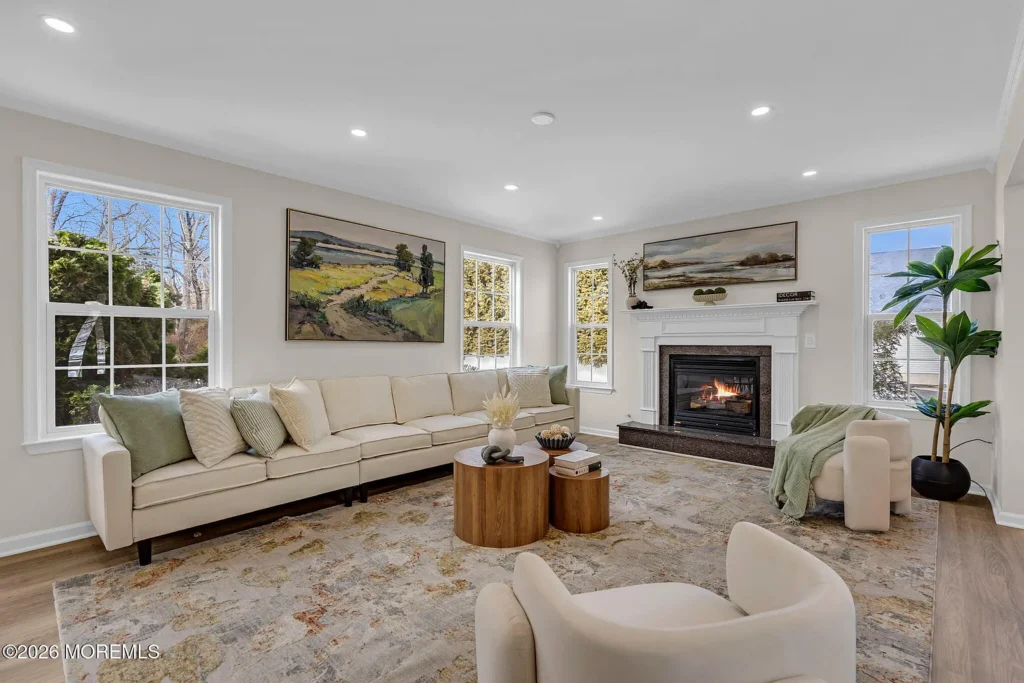
Home SELLER CHECKLIST NEW JERSEY The Complete Home Staging Checklist for New Jersey Sellers Preparing a home can feel like everything needs attention at once. This checklist organizes the process—what to do first, room by room, and in the final days before photography. StageIT Staging Team . August 2026 . 11 min read Get Free Estimate KEY TAKEAWAYS The short version Work in order: declutter and repair first, then room by room, then photography prep. Decluttering and cleaning usually matter more than adding new décor. Start 30–60 days before listing so you can prepare in stages, not one weekend. Cleaning can’t fix vacant rooms, awkward layouts, or poorly scaled furniture—that’s where staging helps. Preparing a home for sale can feel like everything needs attention at once. A home staging checklist helps organize the process—what to do first, what to handle room by room, and what to save for the final days before photography. You don’t need to complete everything in one weekend. Starting early and working in stages makes the process more manageable. THE TIMELINE How to Use This Checklist Work in order: start with general preparation, move room by room, then finish with photography prep. Vacant and occupied homes need different approaches—vacant properties usually require more attention to furniture, scale, and room function. For a detailed comparison, see the vacant vs. occupied home staging guide. Before buying décor or rearranging furniture, finish decluttering and basic repairs first; that often makes it clearer what actually needs to change. WEEKS 5–6 01 Declutter, repair & clean WEEKS 3–4 02 Arrange rooms & define function WEEKS 1–2 03 Deep clean, style & prep for photos FINAL DAYS 04 Walkthrough & last-minute reset WEEKS 5–6 Declutter and Repair First Start with the basics. Decluttering, minor repairs, and deep cleaning usually have more impact than adding new décor. Declutter & simplify Remove excess furniture that blocks walkways or crowds rooms Pack away some personal photos, collections, and memorabilia—without making the home feel sterile Clear floors, pathways, and circulation areas Edit closets and storage so buyers can see usable capacity Minor repairs & cleaning Repair visible scuffs, nail holes, chipped trim, and damaged paint Replace broken or mismatched cabinet and door hardware Replace burnt-out bulbs and correct inconsistent lighting Deep clean baseboards, grout, vents, ceiling fans, and behind appliances Check each room to see whether repainting is actually necessary Should you repaint? Consider it when colors are highly distracting, walls are visibly worn, or touch-ups will photograph poorly. You don’t need to repaint every room simply to make it neutral. If unsure, ask a stager before committing to a full repaint. Not a staging matter Structural, roofing, electrical, plumbing, mold, safety, and disclosure issues are not staging matters and should be handled by the appropriate licensed professionals. Staging focuses on presentation, not required repairs or disclosures. CURB APPEAL Entryway and Curb Appeal The exterior approach and entryway shape a buyer’s first impression, so keep both clean, simple, and well maintained. Exterior & interior entry Clear the porch, steps, and driveway of unnecessary items Remove dead or excessive seasonal décor; sweep leaves, dirt, or salt Check exterior lights; make house numbers clearly visible Clean the front door, glass, and sidelights; use a clean, right-sized doormat Remove excess shoes, coats, and bags; confirm entry lighting is bright New Jersey weather can quickly affect curb appeal. Before photography, clear seasonal debris, winter salt, pollen, or coastal salt residue from visible surfaces and windows. For larger exterior repairs such as siding, fencing, or walkways, use the appropriate contractor rather than treating them as staging tasks. ROOM BY ROOM Living Room Living room checklist Remove excess seating or oversized pieces; keep walkways clear Arrange seating toward a logical focal point—fireplace, window, or feature wall Keep windows clear to maximize natural light Hide cords, cables, and remote controls; limit accessories Check the area rug is appropriately sized Make sure furniture doesn’t block doors, built-ins, or architectural features More furniture is not always better. If the room is vacant, awkwardly shaped, or filled with poorly scaled furniture, professional staging may help buyers understand the room’s scale and function more clearly. Kitchen Kitchen checklist Clear most countertop items, leaving only a few intentional pieces Remove magnets, papers, and menus from appliance fronts Clean appliance surfaces, especially stainless steel; clear the sink area Simplify open shelving; remove clutter from above cabinets Check lighting; clean backsplash and grout Remove trash bins, pet bowls, and cleaning supplies before photography Aim for balance: too many items create clutter, while completely bare counters can feel cold. A few well-placed accessories usually work best. Dining Room Dining room checklist Remove extra chairs or furniture that restricts circulation Center the table within the usable dining area Keep the tabletop simple—one low centerpiece or a few restrained pieces Center lighting over the table where possible In open layouts, use furniture placement to separate dining and living zones If the dining area is vacant or difficult to define, appropriately scaled furniture can help make its intended function clearer in listing photos. Primary Bedroom and Bathrooms Primary bedroom Position the bed on a logical focal wall; keep bedding simple and coordinated Limit nightstand items to one or two pieces; remove excess furniture Clear exercise equipment, laundry, and work materials Organize the closet to show usable storage; make the most of natural light Bathrooms Clear counters of toiletries, medications, and clutter Use clean, coordinated towels; remove bath mats if they shrink the room Clean mirrors, glass, and fixtures; close the toilet lid for photos Remove trash, laundry, and grooming tools; keep accessories minimal Secondary Bedrooms and Home Office Each room should have one clear purpose. Spaces that combine an office, gym, guest room, and storage can feel confusing in listing photos. Choose one primary function for each room; remove excess or mismatched furniture Keep children’s rooms organized without removing all personality Make home offices read as workspaces—desk, chair, adequate lighting; hide cables Keep as much floor space open as possible If a spare room
Home Staging Before and After: 8 Real New Jersey Transformations
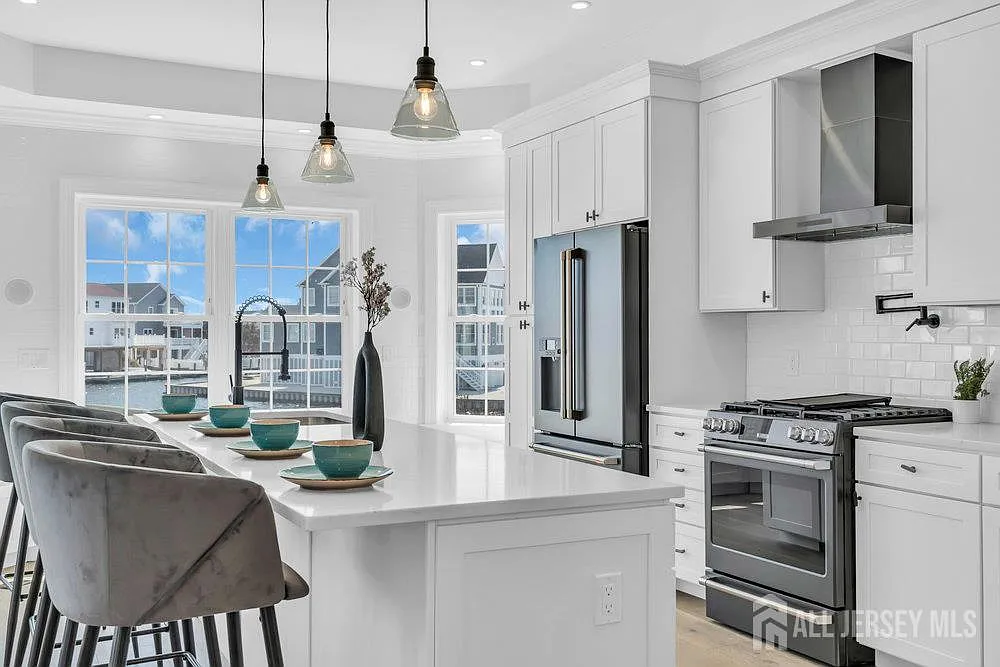
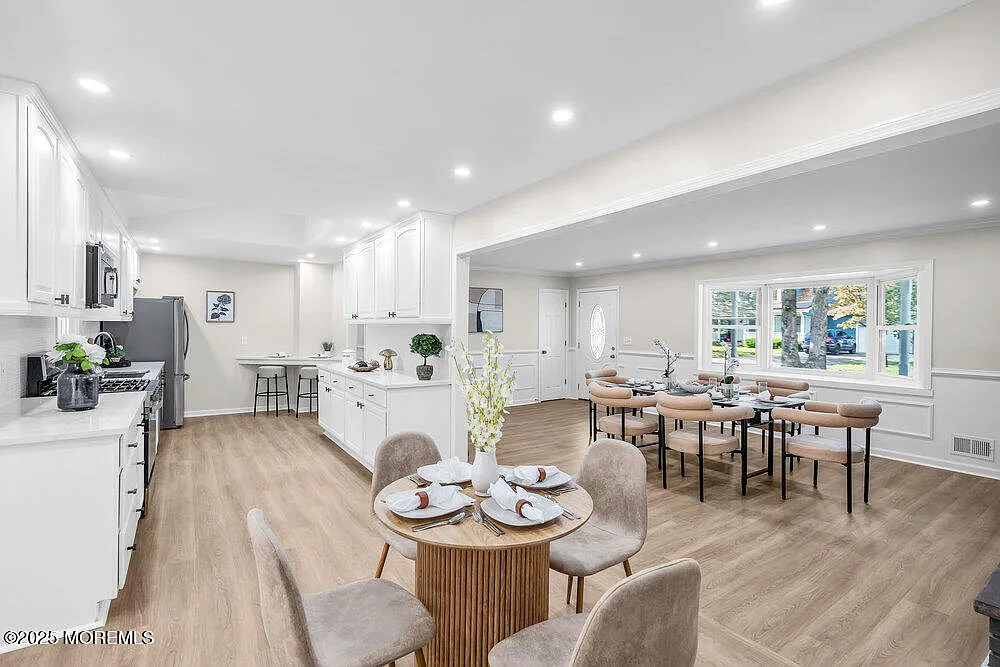
Home BEFORE & AFTER NEW JERSEY Home Staging Before and After: 8 Real New Jersey Transformations Colonials, waterfront homes, beach condos, ranches, and townhouses—each with real furniture, real photos, and real listing conditions. Not virtual staging or stock interiors. StageIT Staging Team . August 2026 . 9 min read Get Free Estimate KEY TAKEAWAYS If you only read one thing Before-and-after photos show changes in scale, function, and focal points that words can’t. Not every home needs full staging; the focus is the rooms that carry listing photos. Every project uses real furniture buyers see online and during walkthroughs—never virtual staging. Scope is always property-specific—a 6-bedroom colonial differs from a 1-bedroom beach condo. Sellers and real estate agents considering home staging often want to see real results. Below are StageIT US before-and-after projects across New Jersey, including colonials, waterfront homes, beach condos, ranches, and townhouses—each using real furniture, real photos, and real listing conditions, not virtual staging or stock interiors. Each example shows the original presentation challenge, the staging approach used, and what became clearer in listing photos and showings. Use them to see how a similar approach could improve the presentation of your property. WHY IT MATTERS Why Before and After Photos Matter More Than Descriptions Before-and-after photos show changes descriptions cannot. Furniture helps buyers understand room size and proportion, staging clarifies how a room is intended to function, and better placement can highlight features such as fireplaces, windows, or architectural details. For buyers quickly scrolling listing photos, these visual differences shape the first impression. These projects use real furniture buyers see both online and during walkthroughs—not edited images. PHYSICAL STAGING · REAL LISTINGS 8 TRANSFORMATIONS 8 New Jersey Home Staging Transformations TOMS RIVER, NJ · 6-BEDROOM COLONIAL Making a large home read at true scale Before: Large rooms were hard to judge for scale without furniture, especially in the main living areas. Staging decision: Appropriately scaled furniture defined the principal rooms and made the home’s size and function clearer in listing photos. BRICK, NJ · WATERFRONT CANAL COLONIAL Supporting premium positioning Before: The waterfront setting was a major selling feature, but the interior needed stronger furniture scale and cohesion to support the home’s premium positioning. Staging decision: Focus on the main entertaining areas, with furniture and styling that complemented the home’s size while keeping the waterfront setting visually connected to the interior. LAKEWOOD, NJ · 5-BEDROOM TWO-STORY CONDO Giving a large dining space a purpose Before: The large dining space was difficult to understand without furniture and lacked a clear sense of scale and purpose. Staging decision: A properly scaled dining set, lighting, art, and accessories gave the room an immediate function while preserving its spacious feel. JACKSON, NJ · 4-BEDROOM COLONIAL Establishing function in empty rooms Before: Empty rooms made it harder for buyers to judge furniture placement, scale, and how the main living spaces would function. Staging decision: Appropriately scaled furniture and decor established function while keeping pathways and room proportions clear. HOWELL, NJ · 5-BEDROOM COLONIAL Defining a vacant dining room Before: The vacant dining room lacked definition, making it difficult to understand the size and intended function of the space. Staging decision: A dining set and restrained decor established the room’s purpose while maintaining an open, spacious presentation. SEASIDE PARK, NJ · 1-BEDROOM BEACH CONDO Defining a compact footprint Before: The compact condo was difficult to judge for scale without furniture, particularly in the main living area. Staging decision: Appropriately scaled furniture and restrained coastal styling defined the space without making the small footprint feel crowded. COLTS NECK, NJ · 4-BEDROOM RENOVATED RANCH Anchoring a large open area Before: The renovated ranch had a large open living area, but without furniture buyers had little reference for scale, layout, or function. Staging decision: A defined seating area preserved open sightlines and the spacious character of the renovated interior. WEST MILFORD, NJ · 2-BEDROOM TOWNHOUSE Arranging around a fireplace feature Before: The living room had a strong fireplace feature and backyard connection, but the empty space didn’t show buyers how the room could be arranged. Staging decision: A defined seating arrangement kept the fireplace, windows, and outdoor connection visible. THE PATTERN What These Transformations Have in Common Across these eight projects, several staging principles appear consistently: Furniture fits the room: pieces are selected to match the space, helping rooms feel balanced and properly scaled. Key rooms are prioritized: not every property needs full-home staging—the focus is the spaces that matter most in listing photos and showings. Room function becomes clearer: staging helps buyers understand dining areas, bedrooms, living rooms, and open layouts more easily. Physical staging creates a real experience: real furniture and accessories buyers see online and during walkthroughs. The staging scope is always property-specific. A six-bedroom Toms River colonial requires a different approach from a one-bedroom Seaside Park condo. For pricing details, see the New Jersey home staging cost guide. An honest note on results Physical staging can help buyers understand room size, function, and layout while improving listing photos and showings. Results vary by property and market, and staging does not guarantee a faster sale or higher price. See What Your Property Looks Like Staged Each project started with a different presentation challenge, so the staging approach was tailored to the property rather than applied from a standard template. To request a property-specific estimate, share the property address, occupancy status, priority rooms, access details, and target photography or listing date. Virtual consultations are available, and real estate agents can contact StageIT US about upcoming listings. IN THIS ARTICLE Why photos matter 1. Toms River colonial 2. Brick waterfront 3. Lakewood condo 4. Jackson colonial 5. Howell colonial 6. Seaside Park condo 7. Colts Neck ranch 8. West Milford townhouse The common pattern Picture yours staged Get a property-specific estimate tailored to your home—not a standard template. Get Free Estimate or call 732-475-3439 SHARE FREE STAGING ESTIMATE Request a property-specific estimate Every property requires a different staging approach. Share your address, occupancy status,
What Happens During a Home Staging Consultation?
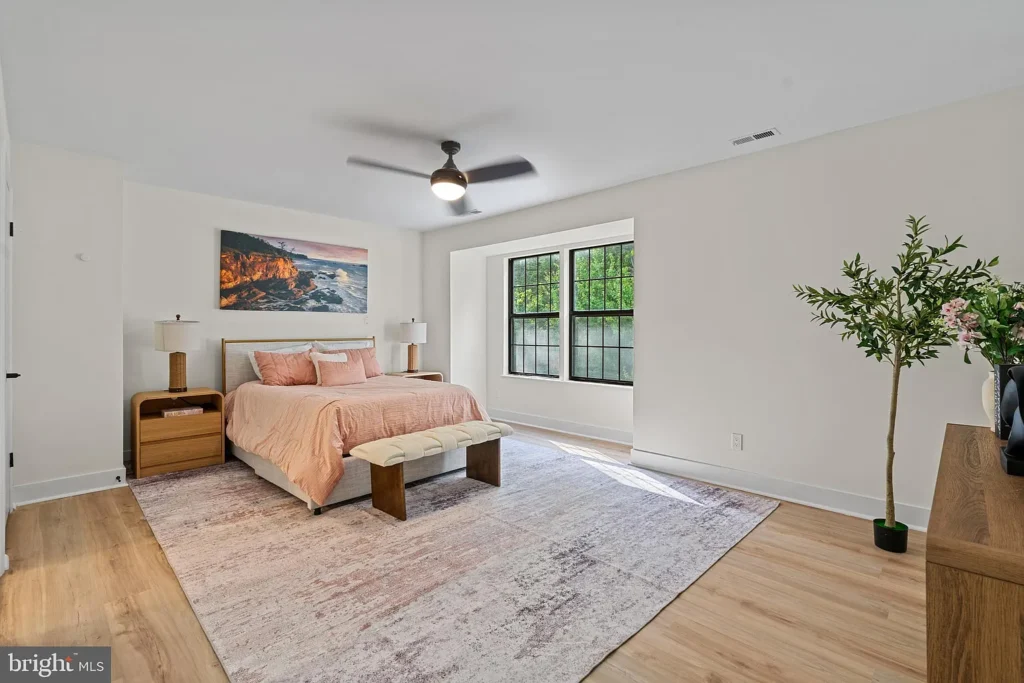
Home CONSULTATION NJ & PHILADELPHIA What Happens During a Home Staging Consultation? A Room-by-Room Walkthrough It isn’t a hard sell or an automatic commitment. A consultation is a focused walkthrough that identifies how each room presents now—and what to change before photography and showings. StageIT Staging Team . August 2026 . 8 min read Book a Consultation KEY TAKEAWAYS The short version A consultation is an assessment, not a commitment to full staging. Vacant and occupied homes shift the focus—adding furniture vs. editing what’s there. The stager reviews each room for scale, flow, lighting, clutter, and focal points. You leave with a clear, property-specific plan for what to do before photography. If you’re considering staging before listing, you may wonder what actually happens during the consultation. It’s not a hard sell or an automatic commitment. A home staging consultation is a focused walkthrough that identifies how each room currently presents and what may need to change before photography and showings. StageIT US reviews the property room by room—whether vacant or occupied—and provides recommendations based on the home, priority spaces, and listing timeline. THE BASICS What Is a Home Staging Consultation? A home staging consultation is an in-home or virtual assessment focused on how a property will present to buyers and in listing photos. The goal isn’t to judge personal taste or identify structural issues, but to improve visual clarity, flow, and buyer appeal. During the consultation, the stager typically reviews each room, discusses the listing timeline and goals, identifies priority spaces, and recommends preparation or staging changes. For occupied homes, this may involve decluttering, editing, and repositioning existing furniture. For vacant homes, the stager may recommend which rooms would benefit from furniture and decor. The consultation is an assessment—not a commitment to full staging. TIMING How Long Does a Staging Consultation Take? The length depends on the property size, number of rooms, occupancy status, and how much discussion is needed about listing goals and timing. To keep the visit efficient, have these details ready: Target listing or photography date Whether the home will be vacant or occupied Rooms you’re most concerned about Any access details—parking, elevators, gates, or building-entry requirements ROOM BY ROOM What the Stager Looks at in Each Room The room-by-room walkthrough helps identify what should be edited, repositioned, or staged before photography. Entry & Living Room First impression, furniture scale, traffic flow, focal points, lighting, and visible clutter. Dining Area Whether the space feels clearly defined—table size, circulation, lighting, and connection to kitchen and living. Kitchen Usually editing over adding: countertop clutter, small appliances, lighting, and overall photo readiness. Primary Bedroom Bed size and placement, bedding, lighting, visible storage, and overall balance—comfortable, spacious, calm. Secondary Bedrooms, Offices & Flex Whether each room reads with a clear purpose, so buyers immediately understand how it can be used. Bathrooms Simple improvements: countertop items, towels, personal-care products, lighting, and photo readiness. Storage, closets, and transitional areas matter too. The goal isn’t to empty every space, but to reduce visible overflow so the home feels organized and provides a clear sense of usable storage. The consultation improves visual clarity, flow, and buyer appeal—not personal taste. STAGING PRINCIPLE · CONSULTATIONS WHAT YOU GET What You Receive After the Consultation After the walkthrough, StageIT US can recommend the right preparation and staging scope for the property, including priority rooms, seller preparation, and any professional staging needed before photography. Depending on the service, you may receive room-by-room recommendations, a seller preparation checklist, and a property-specific staging estimate if staging is recommended. The exact format may vary, so confirm what’s included when booking. For pricing details, see the New Jersey home staging cost guide. VACANT VS. OCCUPIED How the Consultation Differs The focus changes depending on whether the home will be vacant or occupied. Empty home Vacant Home Lived-in home Occupied Home Primary question Which rooms need furniture and decor to show scale and function? What should be edited, removed, repositioned, or supplemented? Furniture review Identify priority rooms and the right staging scope Review existing furniture and layout—what stays or goes Seller preparation Cleaning, minor repairs, access, and photography timing Decluttering, depersonalization, storage, showing readiness Likely recommendation Key-room or broader vacant staging Preparation plan, selective additions, or occupied staging Both consultations are property-specific and designed to determine the level of staging that best supports the listing. No commitment required You do not have to commit to staging after the consultation. Possible next steps range from seller-led preparation to key-room or vacant-home staging—or a combination. The goal is to leave with a clear next step for the property. PREP How to Prepare Your Home Before the Consultation You don’t need to fully declutter or rearrange the home first. The stager should see the property close to its current condition so the recommendations reflect the real starting point. SAVEABLE CHECKLIST Before Your Consultation A few things to have ready so the walkthrough is as useful as possible. Your target listing or photography date The rooms you’re most concerned about Parking, elevator, gate, or building-entry details Whether the home will be vacant or occupied Rooms made accessible for the walkthrough For virtual: clear photos or a live video from multiple angles An in-person visit lets the stager assess scale, lighting, and flow more completely. Request a Free Estimate in NJ & Philadelphia StageIT US provides staging consultations and physical home staging across New Jersey and Philadelphia for vacant and occupied homes. To request an estimate, share the property address, occupancy status, priority rooms, access details, and target photography or listing date. Virtual consultations are also available. IN THIS ARTICLE What it is How long it takes Room by room What you receive Vacant vs. occupied How to prepare Request an estimate Ready for a plan? Book a consultation and get a clear, room-by-room plan for your NJ or Philadelphia listing. Book a Consultation or call 732-475-3439 SHARE FREE CONSULTATION Find out what your listing actually needs Share the property address, occupancy status, priority rooms, access details, and
Is Home Staging Worth It for New Jersey Sellers in 2026?
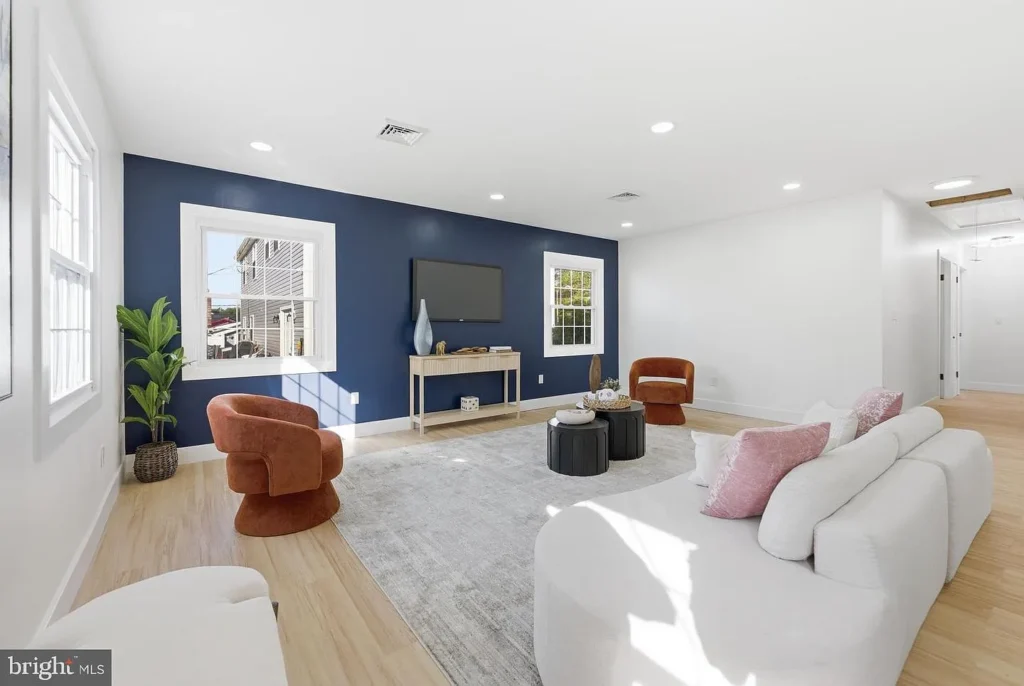
Home SELLER GUIDE NEW JERSEY Is Home Staging Worth It for New Jersey Sellers in 2026? The real question isn’t whether staging looks nice—it’s whether it’s worth the cost for your specific property. The answer depends on what’s limiting your home’s presentation before it goes live. StageIT Staging Team . July 2026 . 9 min read Book a Consultation KEY TAKEAWAYS The short version Staging is worth it when weak presentation is limiting buyer understanding, photos, or first impressions. Staging can’t fix pricing, condition, or location—it strengthens presentation, not the property itself. Vacant homes usually benefit most; occupied homes that show well may only need a consultation. The best time to decide is before listing photography, when early buyer interest is highest. New Jersey sellers are not asking whether staging works in theory—they want to know whether it’s worth the cost for their specific property. The answer depends on what is limiting the home’s presentation before it goes live. For many sellers, the real question is not whether staging looks nice—it is whether home staging is worth it before investing in photography, marketing, and showings. Staging can be especially valuable for vacant homes where empty rooms make scale and function difficult to judge. Occupied homes that already present well may only need a consultation and focused preparation. Properties with major condition or pricing issues may need more than staging alone. Whether home staging is worth it depends on what buyers need to understand and whether stronger presentation can help them see the property more clearly. WHAT IT CHANGES What Does Professional Staging Actually Change? Professional home staging changes how a property is presented, not the property itself. It cannot alter square footage, layout, location, or structural issues. What it can improve is how clearly buyers understand the space in listing photos and during walkthroughs. A professional stager may address: Furniture scale and placement: helps buyers understand room size and function. Room purpose: shows how flex rooms or awkward spaces can be used. Visual flow: creates a more cohesive, calm, and market-ready presentation. Focal points and proportion: highlights architectural features, natural light, and room balance. Unlike cleaning, renovation, or interior design, staging is a temporary presentation strategy created specifically for the sale of the property. FIRST IMPRESSIONS How Staging Improves Listing Photos and First Impressions Listing photos are often a buyer’s first interaction with a property and can influence whether they schedule a showing. Staging helps photos communicate the home’s scale, warmth, and function more clearly. Empty rooms can be difficult to understand because buyers lack visual reference points for size, layout, and flow. Furniture, color, and coordinated styling create a more complete and inviting presentation. Staging should also remain consistent with the in-person experience. When buyers arrive, the property should closely reflect what they saw online, helping build trust and reinforce a strong first impression. Staging changes how a property is presented—not the property itself. STAGING PRINCIPLE · WHAT STAGING CAN AND CAN’T DO BIGGEST IMPACT When Staging Usually Makes the Biggest Difference Some properties benefit more from staging than others. Staging often has the greatest impact in these situations: Vacant homes Furniture helps buyers understand scale, function, and proportion. Unusual or open layouts Staging shows how a flexible or open space can actually be used. Competitive listings A polished presentation can help the property stand out from similar homes. Dated interiors Neutral furnishings create a more current look without renovation. Photo-driven listings Staging can improve the crucial first impression created online. Limited interest Presentation may be one of several factors worth reviewing. Staging is usually most effective before the property goes live. Strong photography and presentation at launch can create better early interest than trying to refresh the listing after buyers have already seen it. VACANT HOMES Is Staging Worth It for a Vacant Home? Vacant homes can be difficult for buyers to understand in photos and during walkthroughs. Without furniture, buyers may struggle to judge room size, layout, traffic flow, and how the home would feel when occupied. Professional vacant-home staging helps by adding: Scale: furniture shows how much space each room offers. Function: buyers can quickly understand how rooms are intended to be used. Warmth: rugs, lighting, and accessories make empty spaces feel more inviting. Consistency: the staged walkthrough supports the expectations set by the listing photos. Sellers do not always need to stage every room. Key-room staging can focus the budget on the living room, dining area, and primary bedroom—the spaces that usually have the greatest impact on listing photos and buyer perception. Explore StageIT US vacant home staging services to learn how the right staging scope is selected for each property. OCCUPIED HOMES Is Staging Worth It for an Occupied Home? Occupied staging focuses on refining what is already in the home so it feels market-ready rather than overly personal or cluttered. A professional stager may help with: Decluttering and depersonalization: reducing personal items so buyers focus on the property. Furniture editing: removing or repositioning pieces to improve space, flow, and photography. Selective additions: neutral rugs, artwork, pillows, or accessories to strengthen the presentation. Photo preparation: styling important rooms, surfaces, and lighting for listing photos. Sellers must also maintain the staged appearance for showings and open houses. Some occupied homes may only need a consultation and focused advice rather than a full staging installation. The right scope depends on the home’s current condition and listing needs. COST VS. RISK Staging Cost vs. the Risk of a Price Reduction A practical way to evaluate staging is to compare its cost with the potential cost of weaker presentation—such as limited showing interest, new photography, longer time on the market, or a later price reduction. Staging does not guarantee a stronger sale, and it cannot correct poor pricing, property condition, or market challenges. However, when presentation is limiting buyer interest, improving it before the listing goes live may be more effective than making changes later. Consider these factors: Photography timing: staging before listing photos are taken creates
How Much Does Home Staging Cost in New Jersey in 2026?
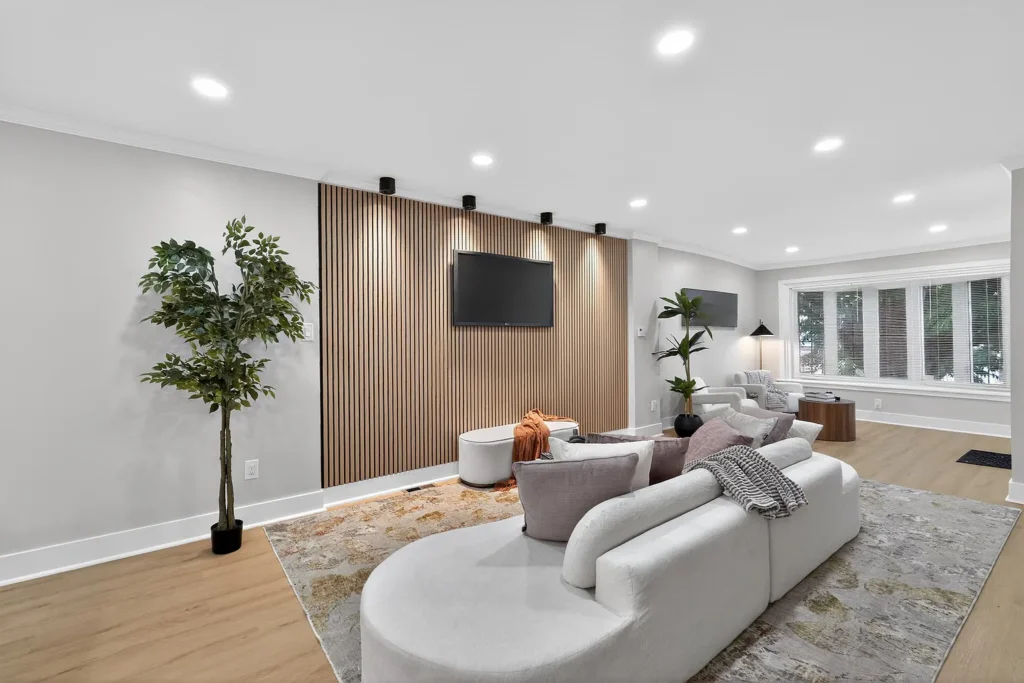
Home STAGING COST NEW JERSEY How Much Does Home Staging Cost in New Jersey in 2026? There’s no single flat price—staging cost depends on scope. Here’s what actually drives the number, how vacant and occupied compare, and how to read one estimate against another. StageIT Staging Team . July 2026 . 9 min read Get Free Estimate KEY TAKEAWAYS The short version There’s no flat rate—cost reflects scope: vacant or occupied, rooms, furniture, logistics, and rental period. StageIT quotes are all-inclusive for the agreed scope—delivery, install, and removal, no surprise charges. Vacant isn’t always pricier than occupied; the work required decides the number, not occupancy alone. Compare estimates like-for-like: rooms, decor, services, and rental length, not just the total. There is no single flat cost for home staging in New Jersey because the scope changes from property to property. A small occupied home that needs light styling is very different from a vacant property that needs full furniture, decor, delivery, installation, rental, and removal. Instead, a professional staging estimate is based on a specific set of variables: whether the home is vacant or occupied, which rooms need to be staged, how much furniture and decor is required, what the logistics involve, and how long the staging needs to remain in place. Every one of these factors affects the home staging cost, and every home in New Jersey is different. COST DRIVERS What Affects the Cost of Home Staging in NJ? The cost of home staging in New Jersey depends on the scope of work rather than a fixed product price. Estimates typically reflect design planning, furniture and decor selection, delivery and installation, and the rental period covering photography, showings, and the offer period. StageIT US quotes are designed to be all-inclusive for the agreed staging scope—so delivery, staging/installation, and removal are included, rather than treated as separate surprise charges. Property condition & goals A fully vacant property needs a different level of staging than an occupied home that only needs editing. Layout and how well it photographs before staging shape the scope. Vacant or occupied Vacant usually needs all furniture, rugs, lighting, art, and accessories delivered and later removed. Occupied focuses on decluttering, depersonalizing, and rearranging. Size & layout Square footage matters, but so do room layout and buyer flow. A smaller home with challenging spaces can need more staging than a larger open-plan one. Rooms selected Living rooms, dining areas, primary bedrooms, and kitchens carry the most weight. Offices, basements, guest rooms, or outdoor areas may be added as needed. Location, access & logistics A ground-floor Ocean County home may be easier to stage than a Hoboken high-rise with limited parking, elevator restrictions, or scheduled freight access. Rental period Standard quotes include up to 90 days. How long staging remains in place—and any extension—factors into the total. The cost of staging depends on the scope of work, not a fixed product price. STAGING PRINCIPLE · ESTIMATES IN NJ VACANT VS. OCCUPIED Vacant vs. Occupied Staging Costs Vacant and occupied staging involve different scopes of work, but one is not always cheaper than the other. An occupied home that requires extensive decluttering, storage planning, furniture rentals, and ongoing upkeep may have a similar scope to a smaller vacant property. The final estimate depends on the work required, not occupancy status alone. Empty property Vacant Home Lived-in property Occupied Home Furniture requirement Full or substantial furniture & decor installation Existing furnishings with selective rental additions Design scope Complete room creation—furniture, rugs, lighting, art, accessories Editing, rearranging, decluttering, depersonalizing & supplementing Seller preparation Less coordination with belongings; cleaning, repairs & access may still apply Greater involvement in decluttering, storage & daily presentation Installation Full delivery, setup, styling & later removal Rearrangement plus selective installation where needed Ongoing maintenance Staging stays in place until extension or removal Seller maintains presentation between showings In occupied homes, sellers remain responsible for storage decisions and keeping the property presentation-ready. Vacant staging requires clear coordination around property access, rental extensions, and removal scheduling. ROOMS How Size and Room Count Affect Pricing Square footage provides a general sense of scale, but staging cost depends more on how many rooms need attention and how challenging those spaces are to present. Two homes of the same size may require very different staging scopes based on layout, condition, and how well they photograph. The highest-impact rooms are usually prioritized: PRIORITY Living Room Helps buyers understand scale, function, and lifestyle. PRIORITY Dining Area Defines the space and supports flow between kitchen and living areas. PRIORITY Primary Bedroom Shows size, comfort, and a sense of calm. LIGHT STYLING Kitchen Counter and key-surface styling can noticeably improve listing photos. Key-room staging lets sellers focus their budget on the spaces buyers notice most. Rooms left unstaged may appear less appealing in photos or during showings, so a staging professional can help determine the right balance—supporting rooms like offices, flex rooms, outdoor areas, or secondary bedrooms may be added depending on the property and target buyer. WHAT’S INCLUDED Furniture, Decor, Delivery, Installation & Removal Furniture and decor are the most visible parts of a staging estimate, but professional physical staging includes several related services. StageIT US quotes are all-inclusive for the agreed staging scope: Included in an all-inclusive StageIT quote For the agreed staging scope—no separate surprise charges. Design selection — furniture & decor chosen for the property, buyer & goals Delivery & transport — brought to the property on the agreed schedule Removal — furniture & decor collected at the end of the staging period Furniture — sofas, beds, tables, chairs & accent pieces that define each room Staging & installation — arranged, styled & prepared for photos and showings Up to 90 days — standard furniture & decor rental included StageIT US provides physical home staging using real furniture that buyers can see in listing photos and experience during property showings. This differs from virtual staging, where furniture appears only in edited images. TIMELINE How Long Staging Furniture Usually Stays StageIT US standard
Do Realtors Pay for Home Staging, or Does the Seller Pay?
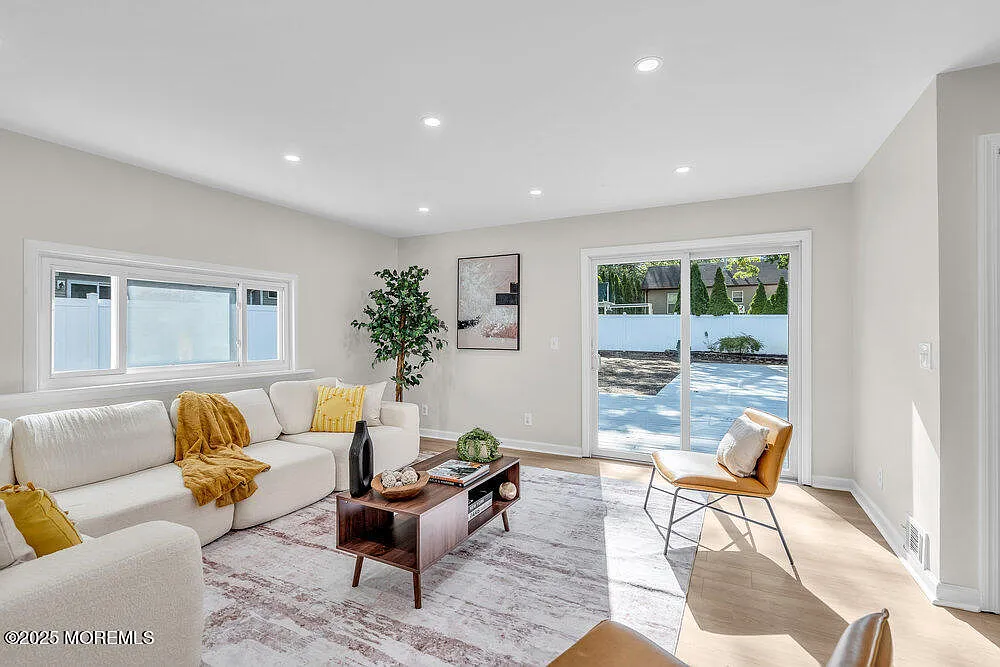
Home STAGING COSTS NEW JERSEY Do Realtors Pay for Home Staging, or Does the Seller Pay? There’s no universal rule. The seller commonly pays, but an agent or brokerage may contribute, include staging in a marketing plan, or share the cost—so long as the arrangement is agreed in writing first. StageIT Staging Team . July 2026 . 8 min read Get Free Estimate KEY TAKEAWAYS The short version No universal rule: the seller most often pays, but agents and brokerages sometimes contribute. “Staging included” can mean a consultation, styling, key-room staging, or a contribution—never assume full staging. Who recommends, approves, signs, and pays may be four different decisions—confirm each one. Payment timing follows the written agreement, not the sale date—an accepted offer doesn’t end the rental. Who pays for home staging? There’s no universal rule. The seller commonly pays because staging prepares the seller’s property for market, but a real estate agent or brokerage may contribute, include staging within a defined marketing plan, or agree to share the expense with the seller. The arrangement should be agreed in writing—in the listing agreement, marketing plan, or staging proposal—before the installation is scheduled. Payment responsibility is also separate from the staging scope and the total investment involved. Whether it’s a consultation, a key-room installation, a full vacant-home staging, or an occupied-home preparation plan, the written agreement is what defines who signs, who pays, who covers extensions, and who’s responsible when the listing timeline changes. WHO PAYS Who Usually Pays for Home Staging? The seller most often pays for staging because it’s part of preparing the property for sale. However, some agents or brokerages may contribute, include a consultation, or cover part of the service through a listing-marketing plan. Four things are worth confirming—and they may not always be the same person: Who recommends the staging Who approves the scope Who signs the agreement Who pays the invoice The listing agreement, marketing plan, and staging proposal should clearly define the arrangement. In practice, it usually takes one of four forms: Seller-paid The seller approves the scope and pays the staging company directly. MAKE CLEAR Services included, payment schedule, and any additional fees. Agent or brokerage contribution The agent or brokerage covers part or all of the service. MAKE CLEAR Contribution limits, eligibility, and included services. Shared cost The seller and agent divide the cost between them. MAKE CLEAR Each party’s share, payment timing, extensions, and added charges. Included in a marketing plan A specific staging service is included in the listing package. MAKE CLEAR The exact service and amount covered—full staging should not be assumed. Always confirm what’s included, payment timing, extension terms, and any additional charges in writing. SELLER-PAID When the Seller Pays for Staging Seller-paid staging usually means the seller approves the scope, signs the agreement, and pays the staging company directly. Like cleaning, painting, landscaping, or photography, staging is a pre-listing investment—though furniture rental may continue throughout the listing period. Before approving the proposal, confirm: Consultation fees: whether they’re separate or applied toward staging Scope: which rooms, furniture, decor, and services are included Rental period: the initial term and extension costs Removal: how and when furniture pickup is scheduled Changes: cancellation and rescheduling terms Seller-paid staging does not require a full-home installation. Depending on the property, a consultation, occupied-home plan, or key-room staging may be enough. For more detail, review the New Jersey home staging cost guide. AGENT-PAID When a Real Estate Agent May Pay or Contribute Some agents or brokerages may cover a staging consultation, contribute a set amount, or include a staging service in their marketing package. This varies by agent, brokerage, market, and listing—it’s not a standard industry requirement. An agent may contribute when: Staging is part of their usual marketing strategy The brokerage offers a pre-listing preparation program The agent has an established staging partnership The agent and seller agree to share the cost The written agreement should confirm who signs the contract, receives the invoice, approves additional work, and pays for extensions or costs beyond the agent’s contribution. Agents interested in working with StageIT US can learn more through the home staging for real estate agents and partnership guide. “INCLUDED” ≠ FULL STAGING Can Staging Be Included in a Listing Marketing Plan? Yes, but the exact service should be clearly defined. When an agent says staging is included, it may refer to: A consultation: property walkthrough and preparation advice Occupied-home styling: decluttering, rearrangement, and photo preparation Key-room staging: furniture and decor for selected rooms A financial contribution: the agent or brokerage covers part of the staging cost Don’t assume “staging included” means a full installation Confirm which services are included, the amount covered, and who pays for additional work, rental extensions, or removal. “Staging included” in a listing presentation does not automatically mean furniture delivery, a full installation, and removal at the end of the rental period. PAYMENT TIMING When and How Staging Fees Are Usually Paid Staging payment terms are set by the written agreement, not by when the property sells. Fees may begin when furniture is installed and can include installation, the initial rental period, extensions, and removal. Before approving a proposal, confirm whether there’s a consultation fee, whether a deposit is required, what the quoted rental period covers, when extension charges begin, who pays for schedule changes, and how furniture removal is arranged. An accepted offer does not automatically end the rental period. Staging continues until removal is scheduled and completed per the agreement. Staging principle · Payment & timing BEFORE YOU SIGN What Sellers and Agents Should Confirm in the Estimate Before approving a staging proposal, sellers and agents should confirm exactly what it includes. Ask a specific question for each item: Item to confirm Question to ask Scope Which rooms and services are included? Inventory What furniture, rugs, lighting, artwork, bedding, and accessories are included? Logistics Are delivery, access coordination, installation, styling, and removal included or itemized separately? Rental term What period is included and how are extensions handled? Payment responsibility
Home Staging Furniture Rental in NJ: Cost, Process & What’s Included
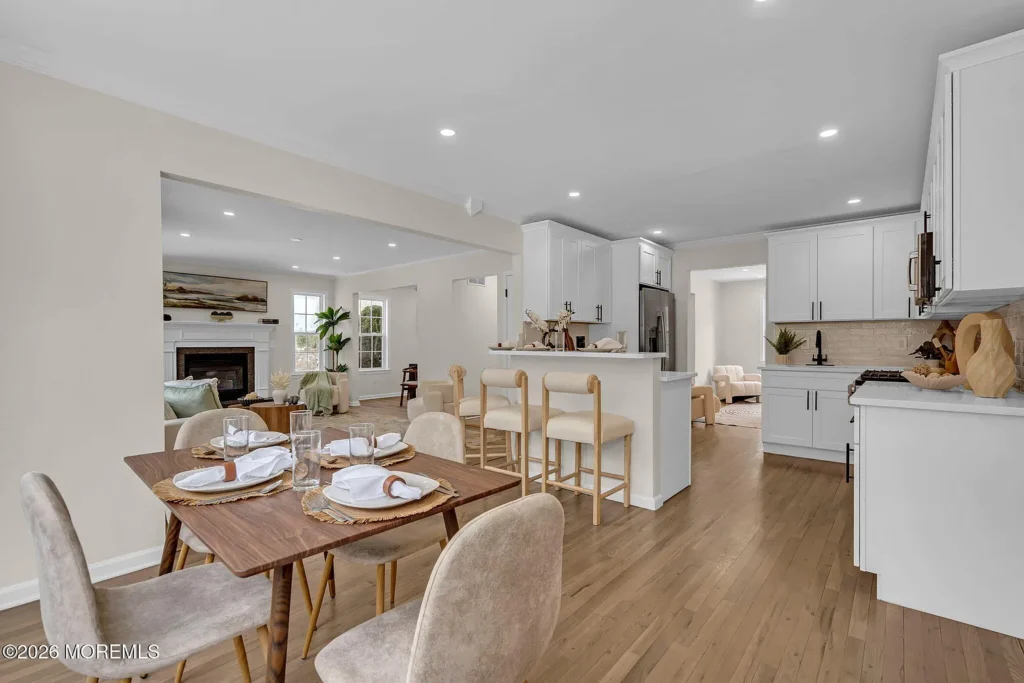
Home FURNITURE RENTAL NEW JERSEY Home Staging Furniture Rental in NJ: Cost, Process & What’s Included Staging furniture rental isn’t the same as ordering a sofa online. Pieces are chosen for the property, delivered and styled for photos, then removed when the listing period ends. Here’s how it works. StageIT Staging Team . July 2026 . 8 min read Get Free Estimate KEY TAKEAWAYS The short version Staging furniture is selected for the property and buyer, then installed and styled—not just delivered. Standard quotes include up to 90 days of staging rental, with extension terms confirmed in advance. StageIT proposals are all-inclusive for the approved scope: furniture, decor, delivery, styling, removal. Full-service staging bundles design, logistics, and styling that furniture-only rental leaves to you. Aseller preparing to list a vacant home in New Jersey may begin by searching for sofas, beds, or dining furniture, assuming the process is similar to short-term furniture rental. Professional staging furniture rental works differently. Furniture is selected for the property and target buyer, delivered and styled for photography and showings, then removed when the staging period ends. Understanding this process helps sellers and real estate agents compare options and plan the listing timeline more effectively. StageIT US staging proposals are designed to be all-inclusive for the approved scope, including furniture and decor selection, delivery, installation and styling, removal, and up to 90 days of standard staging rental. THE PROCESS How Furniture Rental Works as Part of Staging Professional staging furniture is provided as part of a complete installation, not as a simple delivery. The process usually moves through these stages: 1 Property review The staging team assesses the layout, dimensions, style, lighting, and listing goals. 2 Room prioritization The most important rooms for photos and showings are selected. 3 Furniture & decor selection Pieces are chosen to suit the property, target buyer, scale, and price point. 4 Delivery scheduling Installation is coordinated with property access and the photography date. 5 Installation & styling The team delivers, assembles, arranges, and styles each room. 6 Rental period Furniture stays in place for photography, showings, open houses, and the initial marketing period. 7 Extensions & removal Additional rental time and final pickup are handled according to the staging agreement. This coordinated process includes the planning, labor, and logistics needed to prepare a vacant home for photos and buyer walkthroughs. WHY IT’S DIFFERENT Staging Furniture vs. Everyday Furniture Rental Staging furniture is selected to support listing photos, showings, and buyer understanding—not everyday living. The key differences: scale and proportion (pieces suit the room and help buyers understand its size), neutral appeal (styled to attract a broad range of buyers rather than reflect a strong personal taste), photography performance (colors, textures, and finishes selected with listing photos in mind), coordinated decor (rugs, lighting, artwork, bedding, and accessories that complete each room), and short-term listing use (inventory, access, and timeline managed around the real estate listing period). Consumer furniture rental serves a different purpose. Professional staging combines the right inventory with design planning, installation, and coordinated presentation. Furniture is selected for the property and the buyer—then installed and styled, not simply delivered. STAGING PRINCIPLE · PROFESSIONAL RENTAL ROOM SELECTION What Rooms Usually Need Staging Furniture? A vacant home does not always need every room furnished. The priority is to stage the spaces that have the greatest impact on listing photos and buyer understanding. PRIORITY Living Room Shows scale, function, flow, and how furniture fits the space. PRIORITY Dining Area Defines the space and connects the kitchen and living areas. PRIORITY Primary Bedroom Communicates size, comfort, and purpose far better than an empty room. IF IT HELPS Supporting Rooms A home office, flex room, secondary bedroom, or outdoor area, when it strengthens appeal. Key-room staging allows sellers to focus their budget on the spaces buyers notice most. The best room selection depends on the layout, target buyer, and listing goals. SELECTION How Furniture Is Matched to the Property and Buyer Staging furniture is selected based on the property, not simply pulled from inventory and placed in available spaces. The process considers the architecture and property style (a modern open-plan home may need different furniture than an older bungalow), room dimensions (pieces must be properly scaled so each space feels balanced), price point and neighborhood (the level of furnishing should match local buyer expectations), target buyer (staging may be tailored to first-time buyers, families, professionals, or another audience), and photography and availability (pieces must photograph well and be available for the scheduled install). Sellers can share preferences, but the final design should remain focused on the property and its likely buyers. Home staging is not based on the seller’s personal taste; it is a presentation strategy designed to help the home appeal to the market. COST FACTORS What Affects Home Staging Furniture Cost? Home staging furniture rental costs in New Jersey depend on the size and complexity of the installation. StageIT US quotes are all-inclusive for the approved staging scope—so furniture, decor, delivery, installation and styling, removal, and up to 90 days of standard rental are included in the proposal. The main factors: Room count and size — more or larger rooms require additional furniture, styling, and installation time. Furniture and decor needs — a lightly furnished room costs less than a fully styled space with rugs, lighting, artwork, bedding, and accessories. Delivery and access — distance, parking, stairs, elevators, freight restrictions, and scheduling are reviewed upfront and reflected in the all-inclusive quote. Installation scope — delivery, assembly, placement, and styling are part of the full-service scope. Rental period — standard quotes include up to 90 days; if the home needs to stay staged longer, extension terms should be confirmed in advance. Schedule changes — rescheduling, delayed photography, or a change in the property’s status may affect the proposal. For an accurate estimate, share the essentials Provide the property address, room count, occupancy status, access details, and your target photography or listing date—and we’ll return a property-specific, all-inclusive quote. COMPARE Furniture-Only Rental vs. Full-Service Staging Furniture-only rental and full-service staging may appear similar, but they involve very different levels of planning, coordination, and seller involvement. Do it yourself Furniture-Only Rental Turnkey Full-Service Staging
Home Not Selling? 7 Staging Problems to Fix Before Reducing the Price
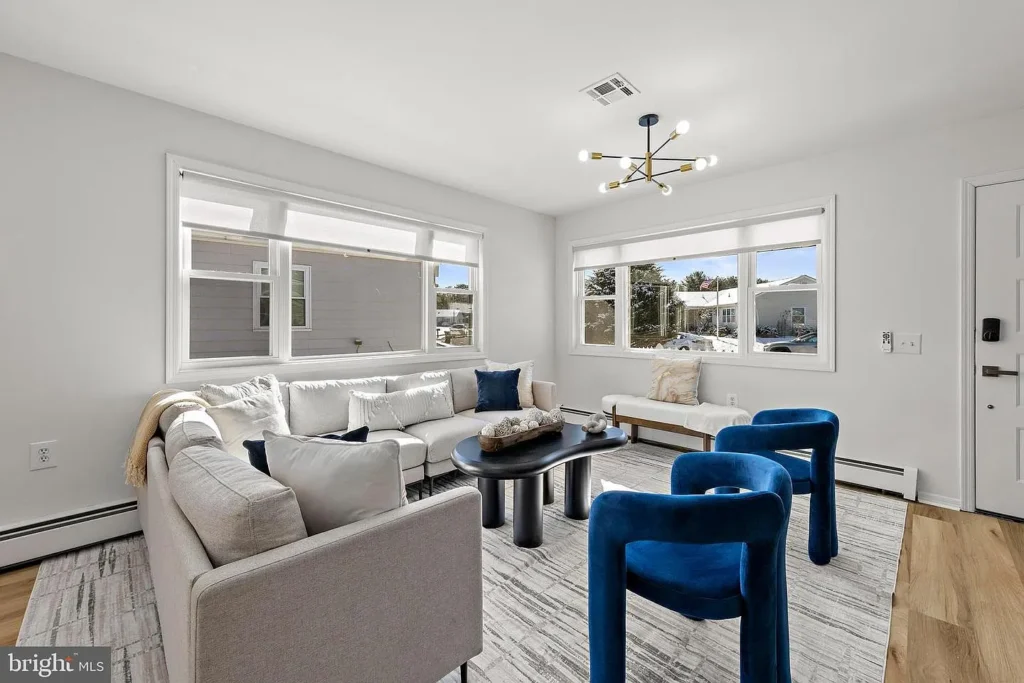
Home SELLER GUIDE NEW JERSEY Home Not Selling? 7 Staging Problems to Fix Before Reducing the Price Showings are limited and days on market keep climbing. Before you cut the price, review the factor a price drop can’t fix: how the home is presented. StageIT Staging Team . July 2026 . 9 min read Get a Staging Review KEY TAKEAWAYS The short version A well-priced home can still stall if photos are weak or the layout is hard to read. A stale listing usually needs a visible refresh, not minor tweaks, to win back buyer attention. Most presentation problems fall into seven fixable categories—check them before a price cut. Review price and presentation together; staging can’t correct genuine overpricing. The home is listed, showings are limited, and the days on market are increasing. Before reducing the price, review another important factor: presentation. A well-priced home can still struggle if the photos are weak or buyers find the layout difficult to understand. START HERE Why a Well-Priced Home May Still Struggle to Sell A reasonable price is important, but presentation also affects buyer interest. Many buyers first judge a New Jersey property through listing photos, and unclear layouts, clutter, or poorly presented rooms can reduce showing requests. Even a well-priced home must compete visually with similar listings. If recent comparable sales support the asking price, reviewing the staging and presentation issues below may reveal what’s holding the listing back. Before reducing the price, review the one factor a price cut can’t fix: how the home is presented. STAGING PRINCIPLE · STALE LISTINGS THE 7 PROBLEMS Seven Staging Problems to Fix First Most presentation issues that stall a listing fall into seven categories. Each one below pairs the problem with the fix. 1 Listing photos don’t create a strong first impression Listing photos are often a buyer’s first interaction with a property. Dark rooms, cluttered surfaces, poor angles, or inconsistent preparation can reduce showing interest. Fix Review the photos from a buyer’s view: is the main image clear and inviting? Do key rooms show size and purpose? Does furniture block light or crowd the room? Do the photos still reflect the home’s current condition? If the home has since improved, updated photography can refresh interest. 2 Empty rooms make the layout hard to understand Vacant rooms can appear smaller, colder, or harder to interpret in photos. Without furniture, buyers may struggle to understand scale, traffic flow, or how a room should be used—especially in open-plan living/dining areas, unusually shaped bedrooms, finished basements, and flex rooms. Fix Key-room staging can add the scale and context buyers need without furnishing the entire home. 3 Furniture makes rooms feel smaller or awkward In occupied homes, existing furniture may work against the room. Oversized pieces, blocked walkways, crowded layouts, or furniture that hides architectural features can make spaces feel smaller. Fix Remove unnecessary pieces, reposition sofas, chairs, or beds, improve traffic flow, and create more balanced layouts. The goal isn’t the seller’s personal style—it’s presenting the room’s size and function clearly. 4 Clutter and personal items distract buyers Everyday belongings compete with the property itself. Family photos, collections, countertop appliances, seasonal items, and visible storage overflow can distract from the room’s structure and features. Fix Clear most surface items, pack personal photographs, reduce visible storage overflow, keep closets and built-ins organized, and reset the home before each showing. It should still feel welcoming—but buyers should notice the property before the belongings. 5 Key rooms don’t feel finished or purposeful A few incomplete rooms can weaken the whole listing. Buyers may question livability when important spaces feel bare, unclear, or inconsistent. Prioritize the living room, dining area, primary bedroom, kitchen, and important flex rooms or offices. Fix Simple additions—correctly scaled furniture, rugs, lighting, bedding, artwork, and restrained accessories—make these spaces feel more complete. 6 The home hasn’t been refreshed since launch A listing that has been sitting may need more than minor changes. Buyers who have already seen the same photos are unlikely to reconsider unless the presentation visibly improves. Fix A meaningful refresh may include editing or restaging key rooms, taking new listing photos, updating the photo order, reviewing showing strategy, and coordinating marketing changes with the agent—so buyers get a noticeably different experience. 7 Buyer feedback isn’t guiding the refresh Buyer feedback is most useful as a pattern. One comment may be personal preference, but repeated concerns about room size, clutter, darkness, or layout confusion deserve attention. Fix Review feedback alongside current photos, showing conditions, listing traffic, days on market, and agent observations. A professional staging review can help identify whether the main issue is presentation, pricing, or both—and what to prioritize first. THE REAL DECISION Should You Stage Before Reducing the Price? When a listing sits longer than expected, sellers may need to improve the presentation, reduce the price, or do both. Here’s how to tell which lever to pull first: REVIEW STAGING FIRST WHEN Presentation is the likely issue Buyer feedback mentions confusing layouts or small-looking rooms Key listing photos are weak Vacant rooms are difficult to understand The showing condition doesn’t present the home well A PRICE ADJUSTMENT MAY BE MORE URGENT WHEN Price is the likely issue The home is above recent comparable sales Market conditions have changed Buyer feedback consistently focuses on price The key question is whether the property is being presented as strongly as possible at its current price. Compare the cost of staging and updated photography with the financial impact of a price reduction. An honest note on what staging can and can’t do Staging can support buyer understanding and a stronger presentation, but it cannot correct overpricing or guarantee a sale. Price, condition, marketing, presentation, and market demand should be reviewed together with your listing agent. SAVEABLE CHECKLIST Before You Cut the Price Run through this presentation review before deciding on a reduction. Does the main photo feel clear and inviting? Are any rooms empty and hard to read? Are clutter and personal items distracting? Has the listing been visibly refreshed since
Home Staging for Real Estate Agents in New Jersey and Philadelphia
Home FOR AGENTS NJ & PHILADELPHIA Home Staging for Real Estate Agents in New Jersey and Philadelphia For agents, staging is a practical part of preparing a listing—not just an aesthetic choice. It works best when planned early, coordinated with photography, and matched to what the listing actually needs. StageIT Staging Team . July 2026 . 9 min read Partner With Us KEY TAKEAWAYS The short version Staging supports pricing, photography, and marketing—it doesn’t replace them. Vacant and occupied listings need different approaches; not every listing needs full staging. Involve the stager before the photography date is confirmed, so there’s time to prepare properly. A strong staging partner offers clear scope, dependable logistics, and property-specific recommendations. For real estate agents in New Jersey and Philadelphia, staging is a practical part of preparing a listing—not just an aesthetic choice. It helps align seller preparation, photography, and launch timing. Home staging for real estate agents is most effective when it is planned early, coordinated with photography, and matched to the specific needs of the listing. Professional staging can improve MLS photos, define rooms more clearly, and create a consistent presentation from online listings to open houses. WHY IT MATTERS Why Home Staging Matters to Real Estate Agents Agents position and market the property, while stagers help prepare how it’s visually presented to buyers. When coordinated, these roles support a stronger listing. Professional staging can provide: Clearer listing photos: furniture and decor help show scale, warmth, and composition. Better room definition: buyers understand layouts, open spaces, and flex rooms more easily. Clearer seller preparation: the stager provides specific steps before photography and launch. Open house readiness: a prepared property is easier to maintain consistently for showings. Staging supports pricing, repairs, photography, and marketing, but does not replace them. It’s most effective when the property’s main pricing and condition issues have already been addressed. WHEN TO RECOMMEND When Agents Should Recommend Professional Staging Not every listing needs full staging. A staging review may be useful when: Vacant rooms Empty spaces are difficult for buyers to understand and judge for scale. Unclear layouts Open, unusual, or hard-to-read floor plans benefit from defined purpose. Cluttered occupied homes A crowded or overly personal home reads better after editing. Strong competition A polished presentation helps the listing stand out among rivals. Weak listing photos When photos don’t show the home at its best, presentation is the fix. Buyer feedback & mismatch Feedback flags presentation, or the listing doesn’t match the showing. If the home is already clean, neutral, well furnished, and photo-ready, a consultation or targeted preparation plan may be enough. Whenever possible, involve the stager before the photography date is confirmed—early planning allows more time to prepare the property properly. MLS & MARKETING How Staging Supports Better MLS Photos and Marketing MLS photos are often a buyer’s first impression of a property. Dark rooms, empty spaces, clutter, or inconsistent presentation can reduce showing interest. Professional staging can improve: Scale and proportion: furniture helps buyers understand room size. Room purpose: staging makes dining areas, bedrooms, and flex spaces easier to interpret. Visual consistency: key rooms feel equally polished across the photo set. Focal points and light: thoughtful placement highlights architectural features and natural light. Photography and staging work together. A photographer can capture a prepared room well, but cannot fully correct poor scale, clutter, or unclear room function. The staged presentation also supports showings, open houses, property websites, listing presentations, and social media marketing. A photographer can capture a prepared room well—but cannot fully correct poor scale, clutter, or unclear room function. STAGING PRINCIPLE · PHOTOGRAPHY & PRESENTATION VACANT VS. OCCUPIED Vacant vs. Occupied Staging for Listings Vacant and occupied listings require different staging approaches. Empty listing Vacant Listing Lived-in listing Occupied Listing Primary need Add furniture & decor to show scale and function Refine existing space for a neutral, photo-ready look Seller preparation Cleaning, repairs, access & listing readiness Decluttering, storage, depersonalization & daily resets Installation Furniture delivery, styling & later removal Furniture rearrangement & selective additions Best use Empty rooms that are difficult to understand Homes needing a cleaner, more buyer-focused presentation Both require seller preparation. Vacant homes must be clean, repaired, and accessible, while occupied homes require ongoing effort to maintain the staged condition for showings. SELLING THE VALUE How to Explain Staging Value to a Seller Staging is easier to explain when it’s tied to a specific presentation problem, such as empty rooms, oversized furniture, clutter, or weak listing photos. Agents should clearly explain which rooms need attention, what preparation is required, whether furniture or decor will be added, how installation and removal work, and how long staging will remain in place. Common concerns are worth addressing directly too: Cost: compare the staging investment with the possible impact of weaker presentation or a later price reduction—without promising results. Storage and disruption: occupied sellers may need to remove or store selected belongings and furniture. Personal taste: staging is designed for broad buyer appeal, not the seller’s personal style. For more pricing context, refer sellers to the StageIT US New Jersey home staging cost guide. TIMING Planning Staging Around Photography and Launch Staging should be planned around the photography date and listing launch—not scheduled as a separate last-minute task. A typical sequence looks like this: 1 Property review & staging recommendation 2 Proposal approval 3 Seller preparation 4 Access coordination Confirm early 5 Installation & final styling 6 Photography & listing launch 7 Showing maintenance, extensions & removal Access requirements should be confirmed early. A single-family home may be straightforward, while a Philadelphia high-rise may require elevator reservations, freight windows, and parking coordination. SAVEABLE CHECKLIST Before Photography: Agent Checklist Run this with every seller before the photography date is locked. Confirm whether the home is vacant or occupied Share address, access details, building rules & photo date Complete cleaning, repairs, decluttering & storage Confirm how the property will be maintained for showings Identify the priority rooms Approve the scope and seller responsibilities Leave enough time
Philadelphia Home Staging for Historic Rowhouses: Urban Scale for Modern Buyers
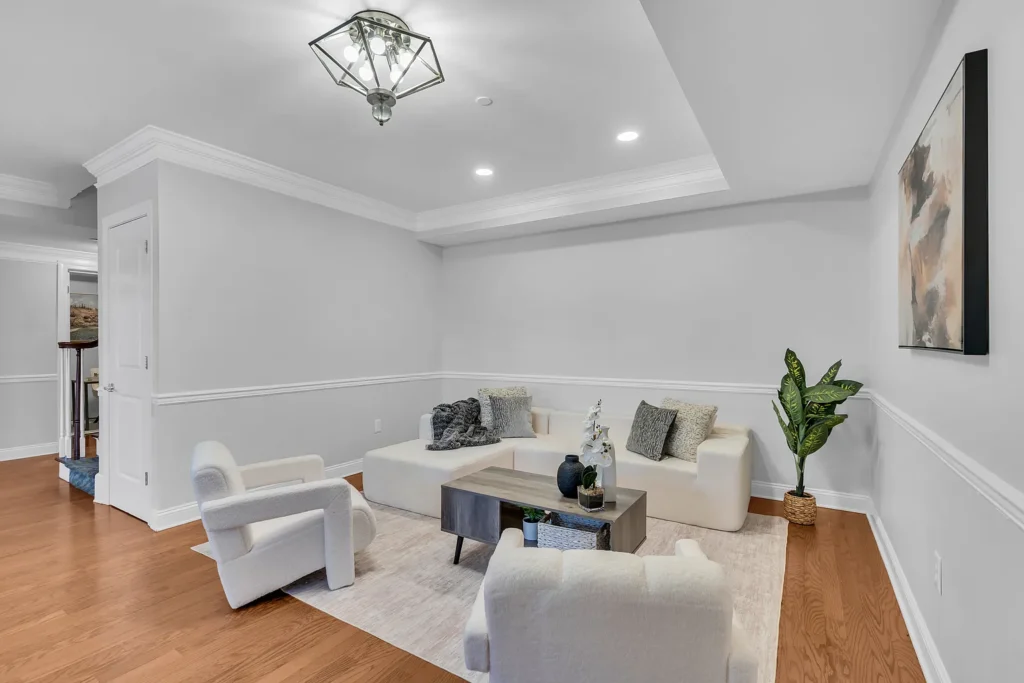
Home HOME STAGING PHILADELPHIA, PA Philadelphia Home Staging for Historic Rowhouses: Urban Scale for Modern Buyers Narrow, deep, and full of character—rowhouses charm buyers in person and confuse them in photos. Here’s how physical staging closes that gap. StageIT Staging Team . July 2026 . 8 min read Get Free Estimate KEY TAKEAWAYS If you only read one thing Empty rowhouses photograph like hallways with rooms attached—staging shows buyers how the space actually lives. Mirrors, layered lamps, and warm-neutral styling brighten the dark middle rooms every deep rowhouse has. Exposed brick and original details should be framed as focal points, never hidden behind furniture. Apartment-scale furniture with exposed legs keeps walkways open and makes narrow rooms read larger. Anarrow rowhouse in West Philadelphia can feel warm and full of character the moment you step inside, then look flat and confusing in listing photos taken the same afternoon. Long, deep floor plans, original woodwork, exposed brick, and tight staircases give these homes a story that newer construction rarely matches. But that same layout is hard for buyers to read on a phone screen. Philadelphia home staging exists to close that gap. With real furniture, decor, and a plan built around the property, physical staging helps buyers understand the scale, flow, and purpose of each room before they ever walk through the door. Historic homes in neighborhoods like West Philadelphia, West Oak Lane, and Center City reward sellers who present them clearly. The goal is not decoration for its own sake. The goal is buyer clarity, both online and during showings. THE CHALLENGE Designing for Narrow, Deep Footprints Most Philadelphia rowhouses share a similar shape: narrow front to back, deep from the street to the rear, with rooms arranged in a line. That footprint creates a few specific presentation problems. An empty rowhouse can look like a hallway with rooms attached. Buyers struggle to tell where one space ends and another begins, how wide a room really is, or where furniture would even fit. Physical staging answers these questions visually. By placing a correctly sized sofa, defining a clear dining zone, and leaving an intentional walkway down the center, staging shows the eye how to move through the home. This is where real estate staging differs from simply adding furniture. Each piece is chosen to communicate function and scale. For narrow floor plans, the staging strategy usually focuses on a few decisions: anchoring each room with one primary piece, keeping circulation paths open so the home feels longer rather than cramped, and using consistent styling from front room to rear so the whole floor reads as one connected living area. Good property presentation in a rowhouse is as much about what you leave out as what you add. An over-furnished narrow room reads as small. A thoughtfully staged one reads as efficient and livable. An empty rowhouse can look like a hallway with rooms attached. Staging shows the eye how to move through the home. STAGING PRINCIPLE · NARROW FLOOR PLANS CHARACTER Historic Details, Contemporary Comfort The features that make a historic Philadelphia home valuable—exposed brick walls, original trim, transom windows, hardwood floors, decorative fireplaces—are also the features buyers fall in love with during a tour. Architectural character preservation is part of the staging brief, not something to hide behind furniture. Strong historic home staging frames these details rather than competing with them. A staged living room might keep the exposed brick wall fully visible and use it as a natural focal point, with furniture pulled slightly away so the texture reads in photos. Original mantels stay clear and styled simply. Woodwork is left to speak for itself. At the same time, today’s metropolitan buyer wants to see that the home works for modern life. That is where contemporary furniture integration comes in. Clean-lined sofas, simple lighting, and warm, neutral styling sit comfortably against older architecture and signal that the home is move-in ready, not a renovation project. The result is a balance buyers respond to: the character that drew them to a historic property, paired with the comfort they expect to live with day to day. LIGHT Brightening Middle Rooms and Rowhouse Kitchens The most common complaint about deep rowhouses is the middle of the home. With windows usually limited to the front and rear, the central rooms—often a dining area or kitchen—can feel dark in person and worse in photos. A dim middle room is one of the fastest ways to lose a buyer’s interest while they scroll. Staging cannot add windows, but it can manage light. The approach starts with reflection and color: lighter, warm-neutral palettes, mirrors placed to bounce daylight from front and rear light wells deeper into the home, and styling that keeps surfaces clean so light is not absorbed by clutter. Layered lighting matters too. Table lamps, floor lamps, and a well-placed light near the stairs fill the shadows that a single ceiling fixture leaves behind, so the photographer is not fighting one harsh source. In rowhouse kitchens, the same logic applies. Clear counters, light styling, and a small amount of warm accent decor help the space read as bright and usable rather than tight and dim. When the middle of the home photographs well, the entire listing feels more open, and buyers are far more likely to keep scrolling toward a showing. Light travels where styling lets it Mirrors bounce daylight deeper into the home, lamps fill the shadows, and clean surfaces stop light from being absorbed by clutter. SCALE Furniture for Tight Urban Walkways and Corners Scale is where rowhouse staging is won or lost. A sofa that would look modest in a suburban living room can block the entire path through a Philadelphia rowhouse. Furniture that is too small leaves rooms feeling unfinished and offers no sense of how the space lives. Getting scale right is the core of good rowhouse design for sale. Physical staging lets the team match each piece to the actual room. Apartment-scale and condo-scale furniture, narrower consoles,