
TENANT-OCCUPIED
NEW JERSEY
Selling a House With Tenants in NJ: How to Prepare It for Photos and Showings
Selling with tenants in place takes more coordination than a typical listing. The practical question for staging is simple: how do you prepare the home for photos and showings while someone still lives there?
StageIT Staging Team
.
October 2026
.
11 min read
KEY TAKEAWAYS
The short version
- A tenant-occupied home can be listed and sold—selling doesn't automatically end the tenancy.
- Occupied staging works within the tenant's furniture and agreed changes—never removing belongings without permission.
- Start with the lease and tenant coordination before scheduling photos or showings.
- This is staging guidance, not legal advice—check NJ law and the lease with a qualified attorney.
Selling a house with tenants requires more coordination than a typical listing. The landlord or listing agent needs the property ready for photos and showings while the tenant continues living there day to day.
The key is to plan around both the property and the occupancy situation. Important factors include what the lease says about entry and showings, how much access and cooperation can be coordinated with the tenant, the current condition of the rooms and furniture, the timing of listing photography, and whether the property will remain occupied during marketing or become vacant.
Staging guidance, not legal advice
This article focuses on property presentation. Access, notice requirements, and tenant rights depend on applicable New Jersey law, the lease, and the circumstances. Consult a qualified New Jersey real estate attorney before making decisions about disputed access, ending a tenancy, or promising vacant possession.
Can You Sell a House While Tenants Still Live There?
Yes. A tenant-occupied property can be listed and sold, and buyers regularly purchase rental properties with tenants still in place. What happens to the tenancy after a sale is a separate issue, and it can depend on the existing lease terms, the property type, the timing of the sale, and applicable New Jersey landlord-tenant law.
Do not assume that listing or selling the property automatically ends the tenant’s occupancy. If the tenancy could affect the sale timeline or closing strategy, discuss the situation with a qualified New Jersey real estate attorney. From a staging perspective, the practical question is different: how can the home be prepared for listing photos and showings while the tenant is still living there? That’s the focus of the sections that follow.
Check Your Lease Before Planning Showings
Before scheduling a photographer, stager, or showing, start with the signed lease. Lease terms can vary in how they address landlord access, advance notice, photography, and entry related to a sale. Review the lease for clauses covering:
Landlord access
and notice requirements
Entry
for purposes other than maintenance or emergencies
Photography or video
inside the property
Showing times
or access restrictions
Any terms
related to selling or marketing the property
For sales showings, do not assume there is one notice rule that applies in every New Jersey situation—the lease language and the specific circumstances of the tenancy matter. If the lease is unclear, the tenant disputes access, or you’re unsure how New Jersey law applies, seek qualified legal advice before arranging photos or showings. From a staging perspective, the process should begin only after the owner or listing agent has properly coordinated access with the tenant.
Talk to Your Tenant Before Anything Else
Once you understand what the lease allows, communicate with the tenant early and clearly. Early communication reduces surprises and makes photography, staging, and showing coordination easier for everyone. Confirm in writing:
Listing timeline:
photography date, when showings may begin, and the expected marketing period.
Preparation requests:
which areas you'd like cleaned up, edited, or temporarily adjusted.
Tenant belongings:
what may be moved, who will move it, where it will go, and who restores it afterward.
Showing logistics:
how appointments are communicated and whether showings can be grouped into practical windows.
A request is not a requirement
Be careful to distinguish between a request and a requirement. Do not treat staging or presentation requests as automatic tenant obligations. If you're unsure whether a particular request is enforceable under the lease, seek qualified New Jersey legal advice.
Show a Rental Without Disrupting the Tenant
Showing a tenant-occupied property works best when the process is predictable, consistent, and easy to repeat. Rather than relying on last-minute preparation, create a simple routine that works for both the tenant and the listing schedule. Where the lease and tenant arrangements allow, consider grouped showing windows in defined time blocks, consistent advance communication according to the lease, and a repeatable reset routine the tenant can realistically follow before each showing.
Simple pre-showing reset
- Open agreed window treatments for natural light
- Clear temporary items from counters, tables, and visible floor areas
- Make beds and straighten soft furnishings
- Move agreed pet items out of main viewing areas
- Keep walkways clear and unobstructed
What Can Realistically Be Staged in a Tenant-Occupied Home
Occupied staging starts with the furniture and belongings already in the home. The goal is to improve room function, circulation, and photo presentation without making changes beyond what the tenant has agreed to. A tenant-occupied staging plan may include:
Furniture editing and repositioning:
adjusting existing pieces to improve flow and room function.
Clearer room purpose:
simplifying spaces that currently serve several functions.
Surface editing:
reducing visual clutter on counters, shelves, and tables.
Selective staging pieces:
adding a small number of items where appropriate and agreed.
Existing tenant furniture can often be used if the scale and placement work well. If pieces are oversized, visually dominant, or difficult to reposition, the occupied staging scope may be more limited.
Occupied staging respects the tenant's belongings
Occupied staging does not mean removing tenant belongings without permission or trying to make the property appear vacant. In a review, prioritize the rooms and sightlines that matter most for listing photos and showings—often the entry, living area, dining space, primary bedroom, and the main paths between rooms.
Prepare a Rental for Listing Photography
Listing photos capture the property exactly as it appears on photo day, so the final reset should focus on clear sightlines, visible floor area, and reduced visual clutter. Before photography, prioritize clear pathways, simple surfaces, visible room proportions, agreed window-treatment positions, and the removal of small distractions like visible cords, chargers, and temporary household items.
Privacy should also be considered. With the tenant’s agreement, personal documents, mail, medications, identifying information, and other sensitive items should be kept out of the camera frame. The staging reset should be complete before the photographer arrives—StageIT US handles the physical staging preparation; photography is coordinated separately. For more photo-specific guidance, see our home staging for listing photos guide.
SAVEABLE CHECKLIST
Photo-Day Checklist
Complete the reset before the photographer arrives.
- Confirm the agreed photography window with the tenant
- Clear floors, counters, beds, and visible pathways
- Adjust window treatments as planned
- Keep hallways and doorways fully open
- Reset furniture to the agreed staging layout
- Remove sensitive personal items from the camera frame
- Check mirrors, screens, cords, and reflective surfaces
- Don't move tenant belongings beyond what was agreed
- The reset should be finished before the shoot—not decided during it.
Selling With Tenants vs. Waiting for Vacancy
Whether to sell while the property is occupied or wait until it’s vacant depends on the tenancy, property condition, timeline, and level of presentation control needed. This table maps common situations to each approach.
| Situation | Tenant-occupied approach | Post-vacancy approach |
|---|---|---|
| Furniture already fits the rooms | Make light edits or repositioning where agreed | Full vacant staging may not be necessary |
| Furniture blocks circulation or photos | Work within the agreed scope and tenant cooperation | Build a new furniture plan once the property is vacant |
| Photography date is close | Focus on a realistic photo-day reset | Wait only if the timeline allows enough preparation |
| Showing flexibility is limited | Use predictable showing windows where permitted | Vacancy allows more control over access and resets |
| Repairs or updates are planned | Keep pre-vacancy staging limited | Complete the work first, then stage the finished property |
Selling with tenants can work well when the existing furniture is suitable, access is cooperative, and the preparation scope is manageable. Waiting for vacancy may be more practical when the property needs repairs, major furniture changes, or greater control over staging and showings.
When Vacant Staging Becomes the Better Option
Post-vacancy staging may offer more flexibility when the property needs a more controlled presentation than occupied staging allows. It may be the better option when:
Rooms are difficult to photograph while occupied
Existing furniture blocks circulation or key sightlines
Repairs, painting, flooring, or other updates are planned
The owner wants a fully staged presentation before marketing
The tenant will already be leaving before photography or showings begin
Once the property is vacant, the staging plan can have more control over furniture selection, room function, circulation, and photo preparation. If the tenant is still in place and the listing timeline is tight, a realistic occupied staging plan may still be the more practical choice. For current service details, see the StageIT US home staging services page.
Selling with tenants can work well when the furniture is suitable, access is cooperative, and the scope is manageable.
STAGING PRINCIPLE · PLAN AROUND THE OCCUPANCY
Plan the Staging Scope Before You Schedule Photos
Selling a tenant-occupied property in New Jersey? StageIT US can help landlords, investors, and listing agents plan either occupied staging or post-vacancy staging based on the property and timeline. To get started, share the details below, then call or text 732-475-3439 or request a property-specific staging estimate online.
SAVEABLE CHECKLIST
To Plan the Staging Scope, Share
These details let us recommend occupied or post-vacancy staging.
- Property address or town
- Photos of priority rooms
- Any agreed access constraints
- Current occupied or expected-vacant status
- Approximate photography or listing date
- We focus on physical staging preparation—not lease administration or legal coordination.
IN THIS ARTICLE
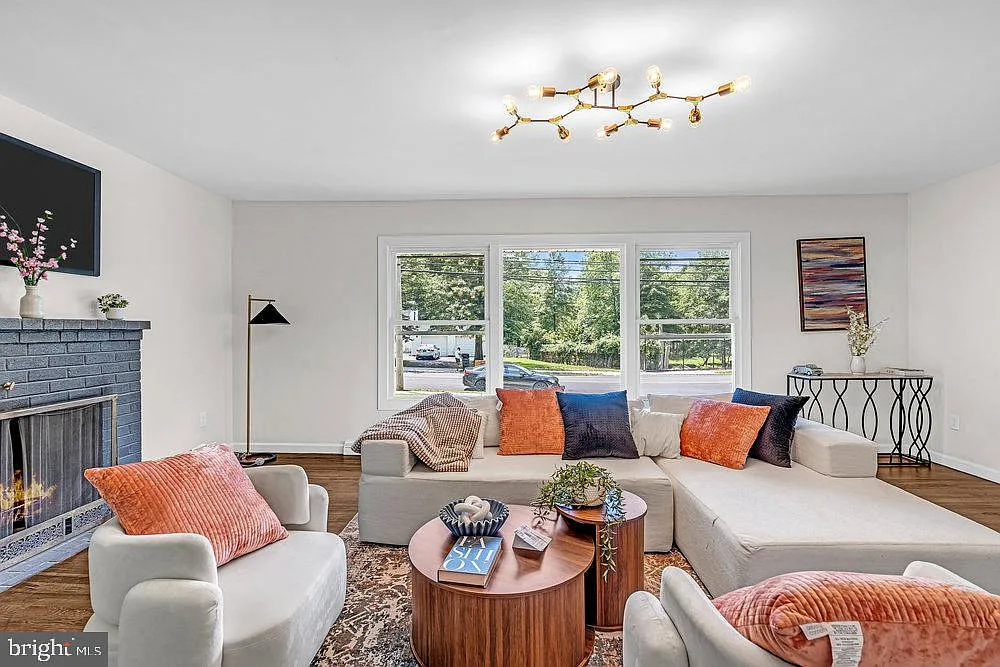
Selling with tenants?
Share the occupancy status and timeline for an occupied or post-vacancy staging plan.
or call 732-475-3439
SHARE
FREE STAGING ESTIMATE
Plan occupied or post-vacancy staging
Share the property's occupancy status, priority-room photos, your target photography date, and any agreed access constraints. We'll recommend the right staging scope.
Selling With Tenants: Common Questions
Answers for New Jersey landlords, investors, and listing agents.
Can you sell a house with tenants in it?
Yes. A tenant-occupied property can be listed and sold. However, do not assume a sale automatically ends the tenancy. What happens next can depend on the lease, property type, and applicable New Jersey law.
How do you show a rental property with tenants living there?
Use clear communication, predictable scheduling, and a simple pre-showing reset. Where permitted, grouped showing windows can reduce disruption. Review the lease for access and notice requirements rather than relying on a general rule.
Can a landlord stage a house while tenants live there?
Yes, when access and changes are properly agreed. Occupied staging may include repositioning furniture, simplifying room function, reducing surface clutter, and adding limited staging pieces where appropriate. Tenant belongings should not be removed or relocated without agreement.
Do tenants have to allow showings?
It depends on the lease and applicable New Jersey law. Do not assume one notice rule applies to every property. If showing access is unclear or disputed, seek qualified New Jersey legal advice.
Should I wait until the tenant moves out before selling?
Not necessarily. Selling while occupied may work when the property presents well and access is manageable. Waiting for vacancy may be better when the home needs repairs, major furniture changes, or greater control over staging and showings.
Can tenant furniture be used for staging?
Yes. Existing furniture can often be kept, repositioned, or edited if its scale and placement support the room. If it is oversized or difficult to work around, the occupied staging scope may be more limited.
Does StageIT US work with landlords and investors?
Yes. StageIT US works with landlords, property investors, and listing agents on occupied and post-vacancy staging for New Jersey properties. The service focuses on physical staging preparation, not lease administration or legal coordination.
More Seller & Investor Guidance
Preparation, photos, and the occupied-staging walkthrough.
Selling a House With Tenants in New Jersey: How to Prepare It for Photos and Showings
Home TENANT-OCCUPIED NEW JERSEY Selling a House With Tenants in NJ: How to Prepare It for Photos and Showings Selling
Staging a Small Bedroom Before Selling: Bed Size, Storage and Clear Walkways
Home SMALL BEDROOMS NJ & PHILADELPHIA Staging a Small Bedroom Before Selling: Bed Size, Storage and Clear Walkways Staging a
Home Staging for Listing Photos: How to Make Rooms Read Clearly on Camera
Home LISTING PHOTOS NJ & PHILADELPHIA Home Staging for Listing Photos: How to Make Rooms Read Clearly on Camera A
Prepare it right, occupied or vacant
Share the occupancy status and timeline, and we’ll recommend either occupied staging or a post-vacancy plan matched to the property.