StageIt US

LISTING PHOTOS

NJ & PHILADELPHIA

Home Staging for Listing Photos: How to Make Rooms Read Clearly on Camera

A room can look welcoming in person and still read poorly in a listing photo. A photograph flattens a space to one frame—making placement, balance, and focal points far more noticeable.

StageIT Staging Team

.

September 2026

.

10 min read

KEY TAKEAWAYS

If you only read one thing

A room can look welcoming in person and still read poorly in a listing photo. A photograph reduces a three-dimensional room to a single frame, making furniture placement, visual balance, and focal points more noticeable.

Staging for listing photos is about helping buyers quickly understand what the room is for, how large it feels, where the main focal point is, and how the furniture and layout work together. The goal is to make the room read clearly from the likely camera angle before the photographer arrives.

PURPOSE

Show the Room's Purpose Clearly in the Frame

A buyer should be able to quickly understand a room’s purpose from the listing photo. Furniture placement is what communicates that function. A living room should show a clear seating area and focal point, while a dining area should read as a distinct zone rather than blending into nearby spaces.

In open-plan homes, use furniture orientation and rug placement to separate living and dining areas visually without adding physical barriers. If a room currently serves several purposes, stage it around one clear primary function for the photograph. The goal is to help buyers immediately understand how the space can be used.

SCALE

Match Furniture Scale to the View of the Room

Furniture can feel comfortable in person but still look too large or heavy in listing photos. From a doorway or corner, oversized pieces may dominate the frame and make the room appear tighter. Focus on:

Visible floor area:

leave enough open floor around furniture so the room doesn't feel crowded.

Furniture proportions:

bulky sectionals, beds, or storage pieces can carry too much visual weight—slimmer profiles or fewer pieces may photograph better.

Rug placement:

use a rug that clearly anchors the seating area instead of making the arrangement feel fragmented.

These decisions should be based on the room’s actual proportions and likely camera angle. There is no single furniture-size rule that works for every property.

SIGHTLINES

Open Sightlines Without Losing the Layout

Listing photos are often taken from positions that capture a broad view of the room, so furniture that crosses the camera’s sightline can make the space feel more crowded or visually confusing. Common sightline problems include:

Chairs blocking views

into adjoining spaces

Tall furniture

cutting across the frame and reducing visual depth

Unrelated rooms or furniture

becoming distracting through open doorways

Poorly angled tables or furniture

drawing attention away from the room's focal point

Opening sightlines doesn’t mean removing everything. Keep enough furniture to show the room’s purpose and scale, while maintaining a clear visual path from the camera position toward the focal point and far side of the room. Important architectural features—fireplaces, large windows, built-ins, and outdoor access—should also remain visible rather than unnecessarily blocked by furniture.

DISTRACTIONS

Remove Visual Distractions and Check Reflections

In listing photos, anything that pulls attention away from the room can become a distraction. Check the planned camera angle and notice what catches your eye first. Common distractions include:

Too many small accessories

on counters, shelves, or tables

Visible cords and cables

Personal items

such as family photos or collections

Pet items, cleaning supplies, toiletries, or small appliances

Competing focal points

that make the frame feel visually busy

Check reflections from the camera position

Mirrors, television screens, glass cabinets, polished surfaces, and windows can capture unexpected details that are easy to miss in person. Before the shoot, check reflective surfaces from the likely camera position and remove or reposition anything that creates visual clutter.

ROOM EXAMPLES

Four Room Examples: What Changes Before the Camera

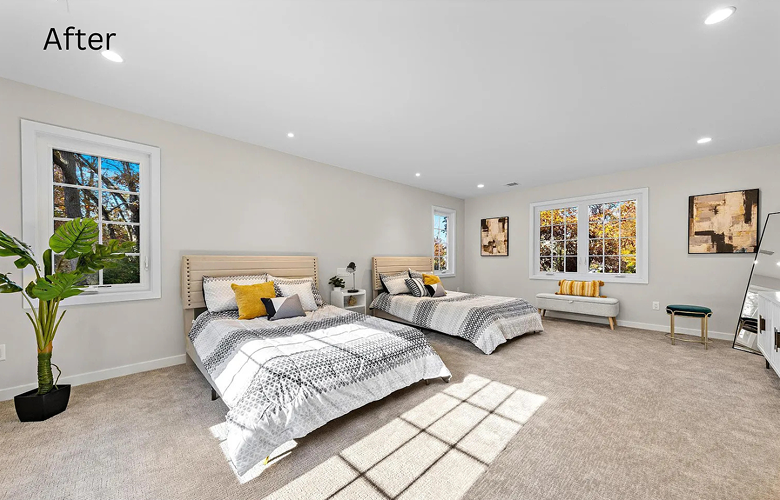
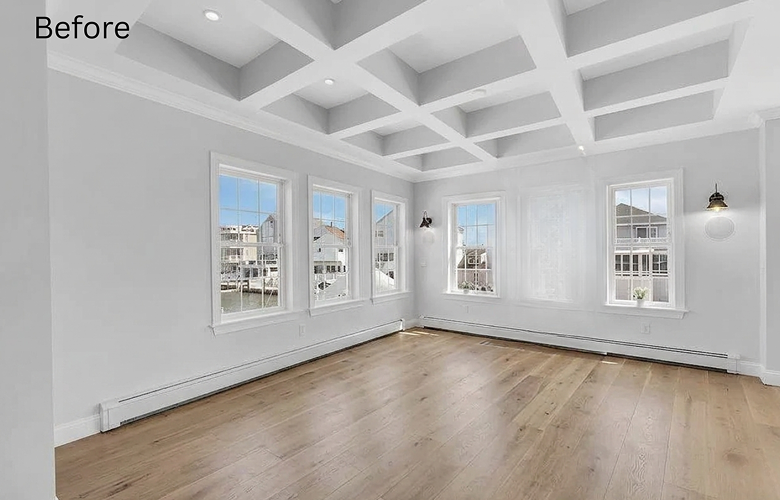
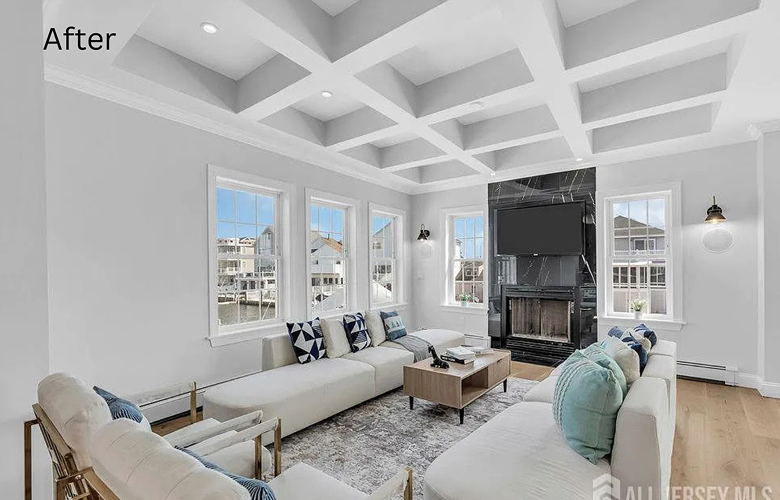
These StageIT US examples show how furniture scale, room function, focal points, and sightlines can affect what reads clearly in listing photos.

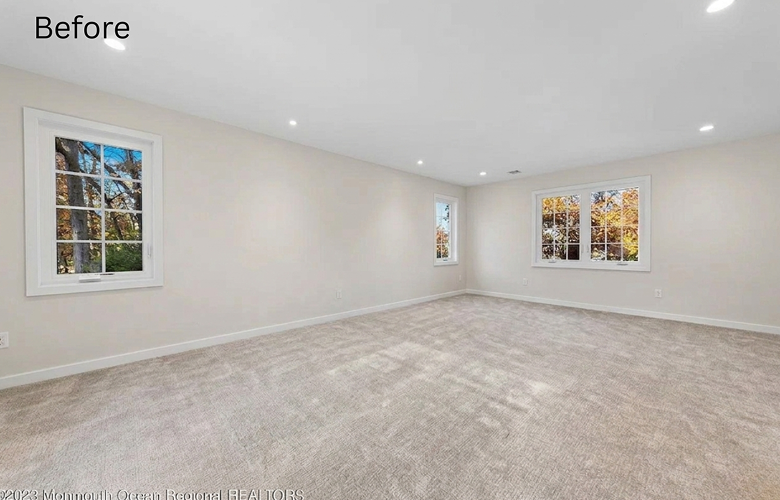
Toms River living area — beforeToms River living area — after

EXAMPLE 1 · TOMS RIVER, NJ

Showing scale and function

BEFORE

Large rooms were difficult to judge for scale without furniture, especially in the main living areas.

STAGING DECISION

Use appropriately scaled furniture to define the living space while keeping enough open floor area for the room's proportions to remain clear.

READS MORE CLEARLY

The staged room gives buyers a clearer reference for its size, purpose, and furniture layout.

Brick waterfront — beforeBrick waterfront — after

EXAMPLE 2 · BRICK, NJ · WATERFRONT

Scale and sightlines

BEFORE

The waterfront setting was an important property feature, but the interior needed stronger furniture scale and cohesion.

STAGING DECISION

Use furniture and styling that fit the room's proportions while keeping the waterfront setting visually connected to the interior.

READS MORE CLEARLY

The room has a more defined function while important exterior views remain visually connected to the space.

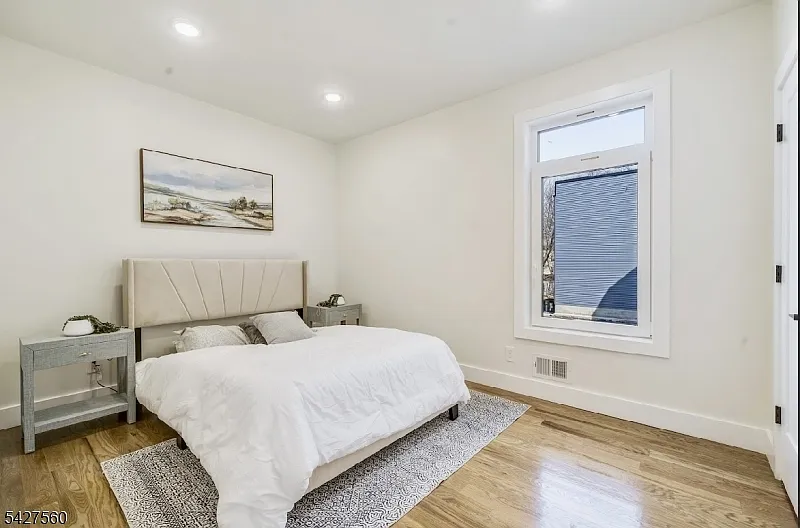
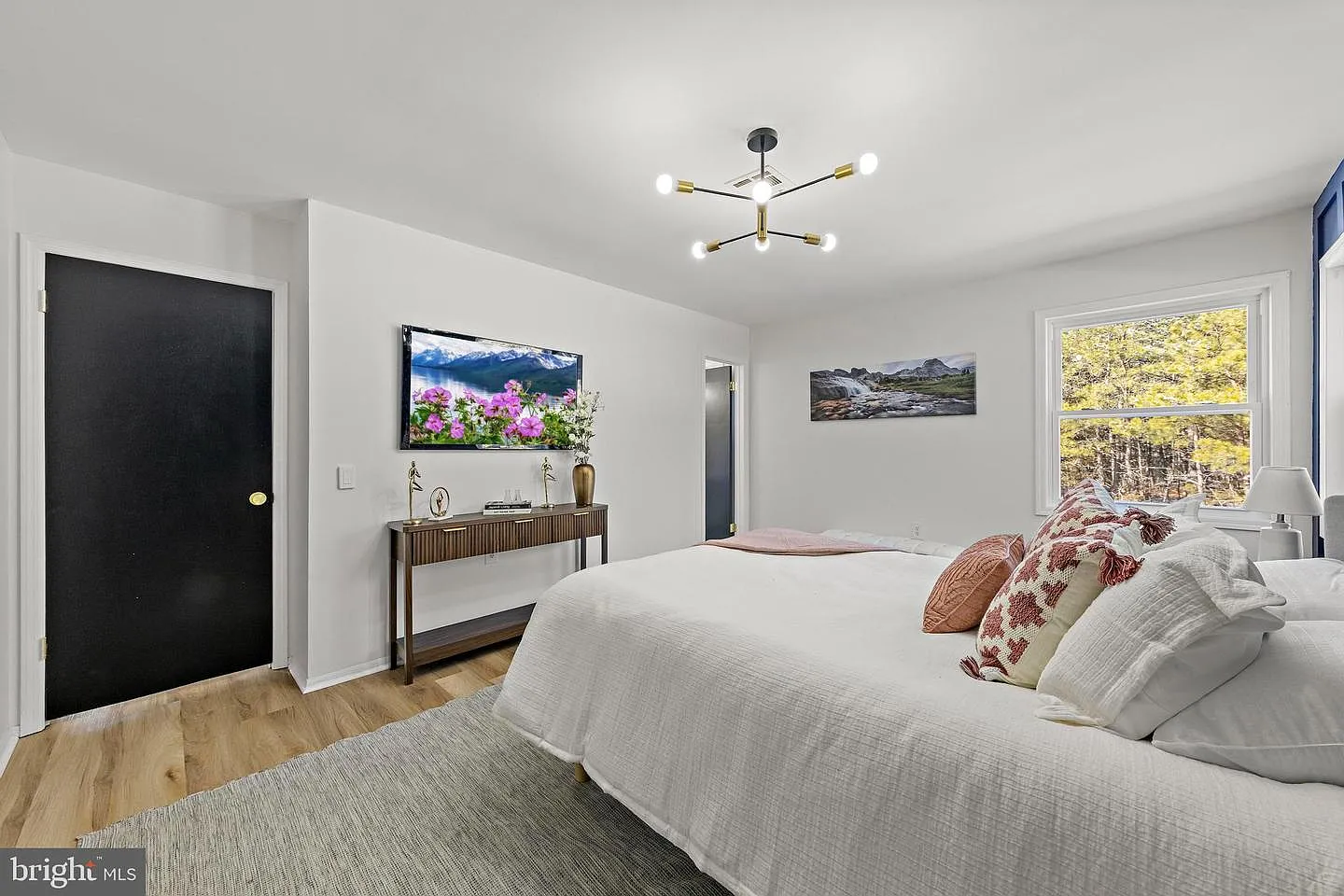
Staged primary bedroom in a vacant New Jersey home with neutral bedding, nightstands, wall art, and natural light for listing photos.

EXAMPLE 3 · CREATING A CLEAR FOCAL POINT

A bedroom that reads at a glance

A staged bedroom should make its primary function immediately clear in the frame. What to notice:

The bed acts as the main visual anchor

Furniture remains proportional to the room

Accessories are restrained rather than competing for attention

Visible floor area helps communicate scale

The overall arrangement keeps attention on the room rather than individual objects

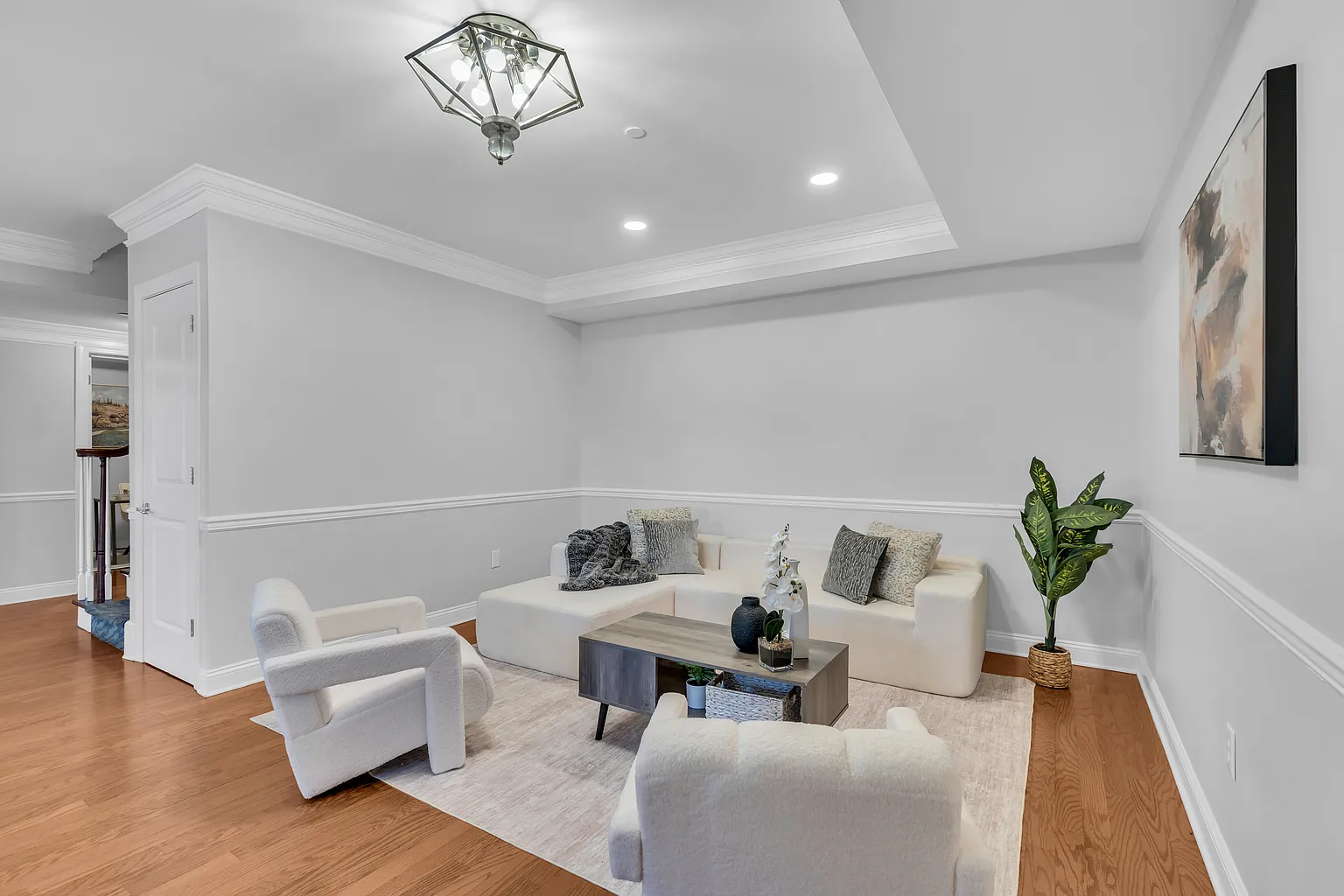
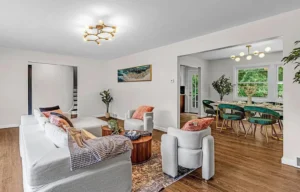
Staged Philadelphia rowhouse living room with neutral furniture, open walkway, warm wood floors, wall art, and bright lighting for listing photos.

EXAMPLE 4 · SIGHTLINES AND ARCHITECTURAL FEATURES

Furniture that supports the architecture

A room can photograph more clearly when furniture supports the architecture instead of interrupting important sightlines. What to notice:

Furniture remains appropriately scaled

The arrangement preserves movement through the room

Architectural features remain visible

The seating area gives the room a clear purpose without overcrowding the frame

For more real New Jersey projects, see the StageIT US before-and-after portfolio.

COORDINATION

Coordinate With the Photographer and Check Daylight

Before the shoot begins, a quick review of planned camera angles can help catch small issues with sightlines, reflections, and daylight. Check:

Window treatments:

decide whether blinds or curtains should be open, closed, or partially drawn based on light, glare, and the view.

Accessories and lamps:

remove or adjust anything that distracts from the camera angle or interrupts the sightline.

Occupied homes:

clear personal bags, pet items, jackets, and other temporary belongings from all photographed spaces.

Daylight can also change how a room photographs, especially in spaces with large windows or strong east- or west-facing light.

StageIT stages; the photographer photographs

StageIT US provides home staging, not photography services. Photographer workflow, camera settings, and equipment decisions should remain with the photographer.

TIMING

Arrange Staging Before the Photography Appointment

Staging should be completed before the photographer arrives. Furniture placement, accessories, and room preparation should not be decided during the shoot.

Major furniture and styling decisions belong before the shoot—only minor adjustments during it.

STAGING PRINCIPLE · PHOTO-DAY READINESS

For occupied homes, confirm which furniture stays, what should be repositioned or removed, and whether a few selective additions would improve the room on camera. For vacant homes, furniture installation and styling should be complete before the photography appointment. If a listing agent, staging company, and photographer are involved, align the schedules in advance so everyone is working toward the same presentation. For broader preparation steps, refer to the home staging checklist for NJ sellers.

SAVEABLE CHECKLIST

To Book Staging Before Your Photos, Share

These details let us prepare a staging plan before the shoot.

Book Staging Before Your Listing Photos

StageIT US can review the property and prepare a staging plan before the photography appointment. Call 732-475-3439 or request a property-specific staging estimate online. You can also view real New Jersey projects in the StageIT US before-and-after portfolio.

Photos coming up?

Get a staging plan finished before the photographer arrives—so every room reads on camera.

or call 732-475-3439

SHARE

FREE STAGING ESTIMATE

Make every room read on camera

Share priority-room photos, approximate dimensions, furniture to keep, and your target photography date. We'll prepare a staging plan before the shoot.

LISTING PHOTO FAQS

Staging for Photos: Common Questions

Answers for New Jersey and Philadelphia sellers preparing for listing photography.

Is staging for photos different from staging for showings?

The goals are similar, but listing photos place more emphasis on furniture scale, sightlines, focal points, reflections, and visual distractions within a fixed camera frame.

Yes, ideally. Major furniture placement and styling decisions should be finished before the shoot, with only minor adjustments left for the photography session.

Oversized pieces, too many items in one frame, limited visible floor space, and competing focal points can make a room look crowded. Scale and spacing should be checked from the likely camera angle.

Yes. Existing furniture can be kept, moved, edited, or supplemented based on the property. The staging plan should reflect the actual rooms, furniture, and listing goals.

KEEP EXPLORING

Before the Camera Arrives

Preparation, layout, and real transformations across New Jersey.

STAGEIT US · NEW JERSEY & PHILADELPHIA

Stage it before you shoot it

Send priority-room photos and your target photography date, and we’ll prepare a staging plan so every room reads clearly on camera.