
HOME STAGING
NEW JERSEY
Vacant vs. Occupied Home Staging: A New Jersey Seller's Guide
Empty house or still living in it? Each situation calls for a different staging approach—and it affects how your rooms photograph, how they show, and what you’ll spend. Here’s how to choose.
StageIT Staging Team
.
July 2026
.
8 min read
KEY TAKEAWAYS
The short version
- The deciding factor is simple: is anyone still living in the home?
- Vacant is generally a larger investment; occupied is lighter but asks more of you day to day.
- Vacant staging brings in rented furniture; occupied staging edits what you already own.
- A hybrid works too—edit the furnished rooms, add a few rental pieces where they're needed.
You’re getting ready to list, and you’re standing in one of two situations. Either the home is completely empty—keys handed back, rooms echoing—or you’re still living in it, surrounded by the furniture, photos, and daily clutter of real life. Each situation calls for a different staging approach, and choosing the right one affects how your rooms photograph, how they show, and how much you’ll spend getting there.
For empty properties, vacant home staging brings in rented furniture and decor to give each room scale and purpose. For homes you still live in, occupied staging works with what you already own. Knowing which path fits your home is the first real decision in your listing prep, and it’s easier to make once you understand what each one actually involves. This guide walks New Jersey sellers and agents through both.
Vacant Spaces vs. Inhabited Properties
The dividing line is simple: is anyone still living in the home?
An empty home creates a specific problem for buyers. Without furniture, rooms lose their reference points. A buyer walking into a bare living room often can’t tell where a sofa would go, how the space connects to the dining area, or whether the room is generously sized or just oddly shaped. Empty rooms also photograph poorly—bare walls and floors read flat online, and listing photos are where most buyers form their first impression. Vacant home staging solves this by furnishing the key rooms so each one shows a clear function and a believable sense of scale.
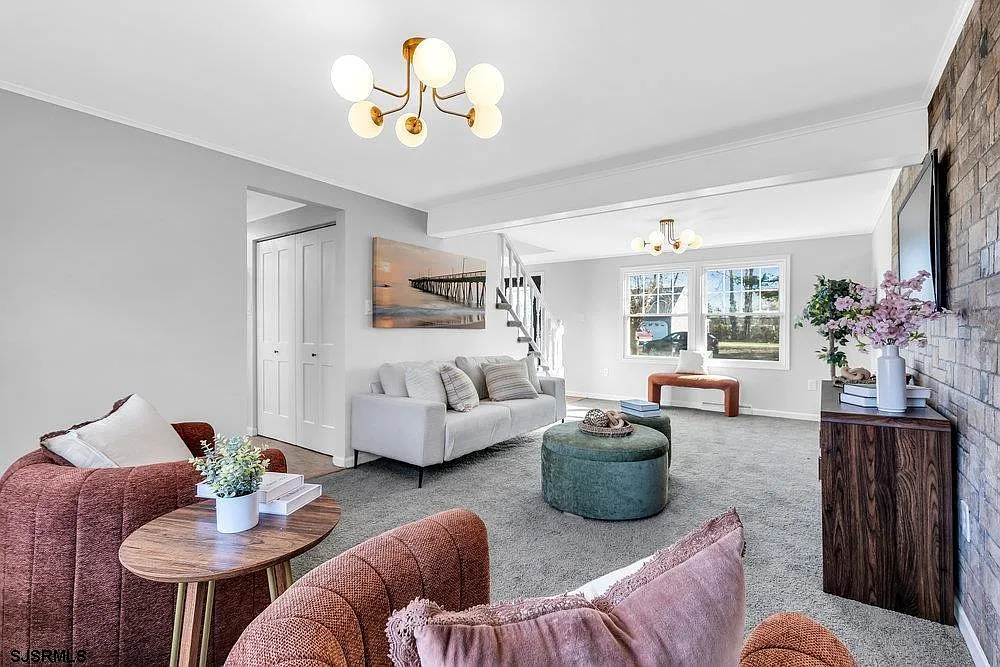
A lived-in home has the opposite challenge. The furniture is already there, but it’s arranged for everyday living, not for selling. Personal photos, mismatched pieces, crowded surfaces, and rooms doing double duty can make it harder for buyers to picture themselves in the space. Occupied staging addresses this through editing rather than importing—repositioning, decluttering, and depersonalizing what the seller already owns, sometimes adding a few rental accents to fill gaps.
Both approaches share the same goal: help buyers understand the layout, see each room’s purpose, and connect with the home before they ever walk through the door. They just start from different places.
For Empty Homes
Vacant Staging |
For Lived-in Homes
Occupied Staging |
|
|---|---|---|
| Best for | Homes that are completely empty | Homes you still live in, furniture in good condition |
| The approach | Bring in rented furniture & decor | Edit, declutter & reposition what you own |
| Investment | Generally larger—nearly everything is rented | Generally lighter—leans on your furniture |
| Timeline | Needs delivery & install scheduled before photos | Often quicker—furniture is already in place |
| Asks of you | Little day-to-day once installed | Keeping the home photo-ready between showings |
The Cost Breakdown of Vacant Staging
Cost is usually the next question, and it’s a fair one. Vacant home staging is generally a larger investment than occupied staging, and the reason is straightforward: nearly everything in the home is brought in and rented.
A few factors drive the figure for a vacant project: how many rooms you stage (most sellers focus on the living room, primary bedroom, dining area, kitchen or eat-in space, and sometimes a home office or outdoor area); the furniture and decor package (sofas, beds, dining sets, rugs, lamps, artwork, and accessories, matched to the property type and target buyer); the rental period (staging is temporary, so how long furniture stays before the home sells affects the total); and delivery, installation, and removal (a turnkey process brings everything in, styles it, and takes it out once the home is under contract).
It helps to weigh that investment against what an empty home costs you in attention. Bare rooms tend to generate weaker listing photos and fewer emotional connections during showings, which can mean a slower path to the right offer. Staging the rooms that matter most is one way to keep a vacant listing competitive without furnishing the entire house.
Because every property and timeline is different, there’s no flat price that fits all homes. The most accurate way to understand your number is a free estimate based on your specific rooms and goals.
Maximizing Your Own Furniture With Expert Editing
Occupied home staging is the right fit when you’re still living in the property and your furniture is in reasonable condition. Instead of renting a full package, the work centers on getting more out of what’s already there.
A typical occupied staging effort involves several moves working together. Decluttering clears surfaces, closets, and corners so rooms feel larger and calmer. Depersonalizing removes family photos, collections, and anything too specific to you, making it easier for a buyer to imagine their own life in the space. Repositioning rearranges existing furniture to open up walkways, highlight focal points, and show each room’s intended purpose. And where a room has a gap—an empty corner, a bare wall, a dining area that needs an anchor—a small number of rental accent pieces can round out the look without the cost of a full vacant package.
This usually begins with a staging consultation, which is often the entry point for sellers who aren’t sure how much work their home needs. A consultation provides a room-by-room action plan: what to remove, what to reposition, and what to add before photography. For many lived-in homes, that plan alone makes a meaningful difference in how the property presents.
Because occupied staging leans on furniture you already own, it’s typically a smaller investment than starting from an empty house. It does ask more of you day to day, which leads to the next point.
How to Live in a Staged Home Without Ruining It
The hardest part of occupied staging isn’t the setup—it’s keeping the home photo-ready while you still live in it. A staged home only works if it stays staged between showings. A short, repeatable routine makes that manageable.
SAVEABLE CHECKLIST
Pre-Showing Reset Routine
Run through this before every showing to keep a lived-in home photo-ready.
- Clear flat surfaces down to one or two intentional items
- Stash daily clutter in a designated bin or closet you can close
- Sweep or vacuum high-traffic floors and entryways
- Open blinds and turn on lights to brighten every room
- Make every bed; straighten throw pillows and blankets
- Wipe kitchen and bathroom sinks; put toiletries out of sight
- Manage pet items and keep pets elsewhere during showings
- Empty trash and do a quick scan for odors
- Pin this reset routine or share it with everyone in the household.
The two habits that protect a staged occupied home most are storage discipline and surface control. Renting a small storage unit or claiming one closet as your “hide everything” zone keeps the rest of the home clear. Keeping surfaces nearly empty is what makes rooms read clean in both listing photos and in person. Build the reset into your routine and the day-to-day cost of a staged home stays low.
Which Tier Fits Your Timeline and Budget?
For most sellers, the choice comes down to a few practical questions:
Is the home empty or occupied?
The single biggest factor. An empty home almost always needs vacant staging; a lived-in home is a candidate for occupied.
What condition is your furniture in?
If your pieces are dated, mismatched, or sparse, the gap narrows and full staging may present better.
What's your timeline?
Occupied staging can move quickly since furniture is in place. Vacant requires scheduling delivery and install before photos.
What's your budget?
Occupied is generally lighter on furniture cost; vacant is a larger investment but transforms a space buyers struggle to read.
The two paths aren’t fully separate, either. A partially vacant home, or a lived-in home with one or two empty rooms, can use a mix—occupied editing in the furnished rooms and a few rented pieces where they’re needed. Furniture rental for selling a house can be scaled to exactly what each room calls for.
Not sure which tier fits? That's what an estimate is for.
A walkthrough—in person or virtual—lets a stager review your rooms and recommend the approach that matches your home, timeline, and goals. Many NJ sellers find the decision becomes obvious once someone has looked at the space room by room.
A note on virtual staging
Virtual staging digitally adds furniture to listing photos and may improve how photos look online—but it doesn't change what buyers experience during showings, and the home still appears empty in person. StageIT focuses on physical staging that supports both the photos and the walkthrough. We do offer virtual consultations—remote video reviews used to plan a physical staging approach, not digital photo editing.
See Staged NJ Homes in Action
Seeing the difference is easier than describing it. Browse recent StageIT transformations across New Jersey and Philadelphia to see how vacant and occupied staging each change the way a property reads. Not sure which fits your home? Request a free staging estimate and we’ll recommend the right approach.
IN THIS ARTICLE
Vacant or occupied?
Get a free, no-obligation estimate and a room-by-room recommendation for your NJ listing.
or call 732-475-3439
SHARE
FREE STAGING ESTIMATE
Let's find the right approach for your home
Send a few photos or a short video and we'll recommend vacant, occupied, or a hybrid plan—matched to your rooms, timeline, and budget. Turnkey furniture, installation, and removal included.
Vacant vs. Occupied Staging: Common Questions
Practical answers for New Jersey sellers and agents choosing between the two approaches.
What is the main difference between vacant and occupied staging?
Vacant staging is for empty homes—rented furniture and decor are brought in to give each room scale and purpose. Occupied staging is for homes you still live in, where the focus is editing, decluttering, repositioning, and depersonalizing the furniture you already own. The deciding factor is simply whether anyone still lives in the property.
Is vacant staging more expensive than occupied staging?
Vacant staging is generally a larger investment because nearly all the furniture and decor is rented and installed, while occupied staging works mostly with what you already own. The actual figure depends on how many rooms you stage, the furniture package, and the rental period. A free estimate is the most accurate way to compare the two for your home.
Can I mix my own furniture with rented staging items?
Yes. Many lived-in homes use a hybrid approach—keeping and repositioning your existing furniture in most rooms while adding a few rental accent pieces to fill empty corners or anchor a sparse room. This is common when a home is mostly furnished but has one or two rooms that feel incomplete.
How do you protect floors during a vacant staging setup?
A turnkey staging process is designed to bring furniture in and out without damaging the home. That typically includes careful handling during delivery and installation, felt pads or protective materials under furniture, and protecting floors and doorways while pieces are moved. Specific handling steps can be confirmed during your estimate.
What are the rules for living in a home that has been staged?
The main rule is keeping the home photo-ready between showings. That means a quick reset routine before each showing—clearing surfaces, making beds, hiding daily clutter, managing pet items, and brightening rooms. Storage discipline and clear surfaces are what keep a staged occupied home presenting well day to day.
Does an empty home look smaller or larger than a staged one?
Empty rooms often look smaller and flatter than expected, especially in photos, because there’s no furniture to give them scale or reference points. Staging gives buyers something to measure against, which usually helps a room read at its true size and feel more purposeful.
Can real estate agents order virtual staging instead?
Virtual staging digitally adds furniture to listing photos and may improve how photos look online—but it doesn’t change what buyers experience during showings or open houses, and the home still appears empty in person. StageIT focuses on physical staging that supports both the listing photos and the in-person walkthrough. We do offer virtual consultations, which are remote video reviews used to plan a physical staging approach—not digital photo editing.
Related Transformations
See how physical staging reshapes both empty and lived-in homes across New Jersey.
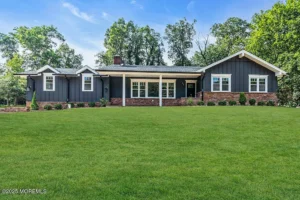
Home Staging Colts Neck NJ — 4BR Renovated Ranch
Home Staging Colts Neck NJ — 4BR Renovated Ranch Sold for $1,300,000 Project Overview StageIt US completed this home staging
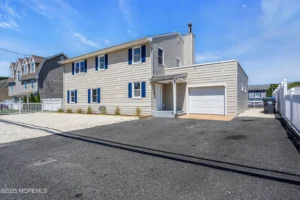
Home Staging Toms River NJ — 7BR Green Island Coastal Retreat
Home Staging Toms River NJ — 7BR Green Island Coastal Retreat Sold for $608,000 Project Overview StageIt US completed this
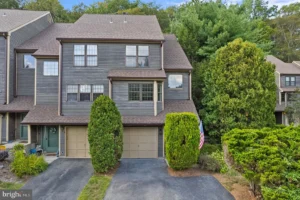
Home Staging West Milford NJ — 2BR 1986 Townhouse
Home Staging West Milford NJ — 2BR 1986 Townhouse Sold for $420,000 Project Overview 2-bed, 2.5-bath, 1,466 sqft 1986-built traditional
Getting ready to list in New Jersey?
Contact StageIT US for a free estimate and a clear recommendation—vacant, occupied, or hybrid—matched to your home, timeline, and goals.