
SELLING TIMELINE
NEW JERSEY
How Long Does It Take to Sell a House in New Jersey? (And What Shortens It)
There’s no single answer—the timeline runs across four stages. But the pre-listing stage is the one sellers control most, and it’s where staging does its work.
StageIT Staging Team
.
October 2026
.
11 min read
KEY TAKEAWAYS
The short version
- Days on market is only one part—total selling time includes prep and closing.
- Staging improves presentation; it can't fix pricing or market conditions.
- The pre-listing stage is where sellers have the most control over timing.
- Starting 30–60 days before photography avoids rushed, incomplete prep.
There is no single answer to how long selling a house takes, because the timeline includes several stages, each with different factors affecting how quickly it moves. In New Jersey, the process generally runs from pre-listing preparation, through active listing and showings, into under-contract steps like inspections, appraisal, and financing, and finally to closing.
Sellers often focus on days on market, but the preparation stage is one of the parts they can influence most directly. Getting the property ready before it goes live can improve how clearly it presents in listing photos and during showings from day one.
How Long Does It Take to Sell a House in New Jersey?
It depends on which part of the timeline you’re measuring. Days on market usually refers to the time from listing to going under contract. Total selling time also includes pre-listing preparation, inspections, appraisal, financing, and closing.
In New Jersey, the timeline can vary based on the local market, price range, inventory, pricing strategy, and how well the property is prepared and presented. Conditions can also differ by county, town, and neighborhood, so statewide averages are only a general reference. Your listing agent can provide the most relevant local market data for your specific property.
Days on market ≠ total selling timeline
A home may go under contract quickly, but the full process can still take much longer once preparation and closing are included.
The Four Stages of Selling a House in New Jersey
Breaking the process into stages makes it easier to see where time is spent—and where sellers have the most control.
| Stage | What it includes | Seller control |
|---|---|---|
| Pre-Listing Preparation | Repairs, decluttering, staging, photography, and coordination with the agent or stager | High |
| Active Listing / Days on Market | Showings, buyer response, and offers. Pricing and presentation matter, but demand also depends on the market |
Partial |
| Under Contract | Inspections, appraisal, financing, and contingency negotiations | Limited |
| Closing | Title work, lender coordination, document signing, and transaction completion | Limited |
The pre-listing stage gives sellers the most opportunity to influence the timeline. Delays in repairs, staging decisions, photography, or coordination can push back the listing date before the home even reaches the market. Once the property is under contract, many of the remaining steps depend on buyers, lenders, inspectors, attorneys, and other parties rather than the seller alone.
Days on Market vs. Time to Close: Why the Difference Matters
Days on market covers only one part of the selling process. It doesn’t include the time spent preparing the home before listing or completing the transaction after an offer is accepted. A simple way to view the timeline:
Pre-listing preparation:
repairs, decluttering, staging, and photography before the property goes live.
Active listing / days on market:
the period from listing to accepted offer, influenced by pricing, presentation, buyer demand, and market conditions.
Contract to close:
inspections, appraisal, financing, title work, and contingency-related steps after the offer is accepted.
Looking at all three stages gives sellers a more realistic picture of how long the full sale may take. Planning time for each stage can also reduce last-minute pressure and help keep the process more organized.
Why Some Listings Sit Longer Than Expected
When a home isn’t attracting offers, the cause usually falls into two areas: presentation or market and pricing conditions. Staging can help with the first, but not the second.
STAGING CAN HELP
Presentation issues
- Listing photos that don't show rooms clearly
- Cluttered or confusing room layouts
- Furniture that makes spaces feel smaller or harder to understand
- Limited showing access
- Visible condition issues that distract buyers
STAGING CANNOT FIX
Market or pricing issues
- A price that isn't aligned with the current market
- Structural or mechanical problems
- Location-related limitations
- Low buyer demand in the property's price range
If a listing has been sitting without enough interest, both categories may need to be reviewed. For more detail, see StageIT US’s Home Not Selling? 7 Staging Problems to Fix Before Reducing the Price guide.
What the Data Says About Staging and Time on Market
The National Association of REALTORS® 2025 Profile of Home Staging found that staging had a measurable effect on how agents observed listings moving:
49%
of sellers’ agents reported a decrease in time on market after staging (30% slight, 19% significant)
83%
of buyers’ agents said staging made it easier for buyers to visualize a property as a future home
These are survey findings based on agent observations, not proof that staging causes a specific reduction in days on market for every property. The practical takeaway is that staging can improve how a home is understood in listing photos and showings by clarifying room function, scale, and layout. It’s best viewed as a controllable pre-listing factor—it can improve presentation, but it cannot overcome incorrect pricing, weak market demand, or delays during the under-contract and closing stages.
How the Season Can Affect the Timeline
New Jersey real estate activity can vary by season, but timing is only one factor. Buyer demand, inventory, interest rates, property type, price range, and local market conditions also influence how quickly a home sells. In many NJ markets, spring can bring more buyer activity, while late fall and winter may see fewer showings. However, a well-prepared and competitively priced home can attract buyers in any season.
If you plan to list during a slower period, focus on what you can control before launch: strong listing photos, clear and well-planned staging, competitive pricing, and a property that’s ready for showings from day one. Season matters, but preparation and presentation remain important regardless of when the home is listed.
The Preparation Time Most Sellers Underestimate
Sellers often focus on days on market and underestimate how much time is needed before the listing goes live. Rushed preparation can lead to unfinished repairs, incomplete decluttering, or photography scheduled before the home is fully ready. For many properties, starting 30–60 days before the target photography date gives enough time to prepare in stages:
Complete or schedule important repairs
Address visible condition issues before staging or photography.
Declutter and edit rooms
Start early—don't try to declutter and stage in the same week.
Decide on occupied or vacant staging
Choose the staging scope before scheduling installation.
Complete the physical staging
Furniture, accessories, and room preparation finished and in place.
Photograph the property
Shoot only once the presentation is fully ready.
Launch the listing when the presentation is ready
Go live with photos and a showing-ready home from day one.
The 30–60-day window is a planning guideline, not a rule. Homes needing major repairs, contractor work, or approvals may require more time, while simpler projects may come together faster. For a step-by-step preparation guide, see StageIT US’s Complete Home Staging Checklist for New Jersey Sellers. If you’re deciding whether to repair, renovate, or stage first, see the guide on renovating or staging before selling in NJ.
Shortening the Timeline Before You List
Most avoidable delays happen before the listing goes live. A clear preparation sequence can help keep the process on track.
SAVEABLE CHECKLIST
Pre-Listing Timeline Plan
These reduce delays in the stage you control most.
- Set the pricing strategy early with your agent
- Choose the staging scope—occupied or vacant
- Complete staging before photography
- Handle important repairs first
- Start decluttering in advance
- Work backward from the launch date
- These don't shorten the under-contract or closing periods—only the pre-listing stage.
For photo-specific preparation, see StageIT US’s home staging for listing photos guide.
Plan Your Pre-Listing Staging Before Photography
StageIT US creates property-specific staging plans for vacant and occupied New Jersey homes, coordinated around the target photography and listing dates. To get started, share the details below, then call or text 732-475-3439.
IN THIS ARTICLE
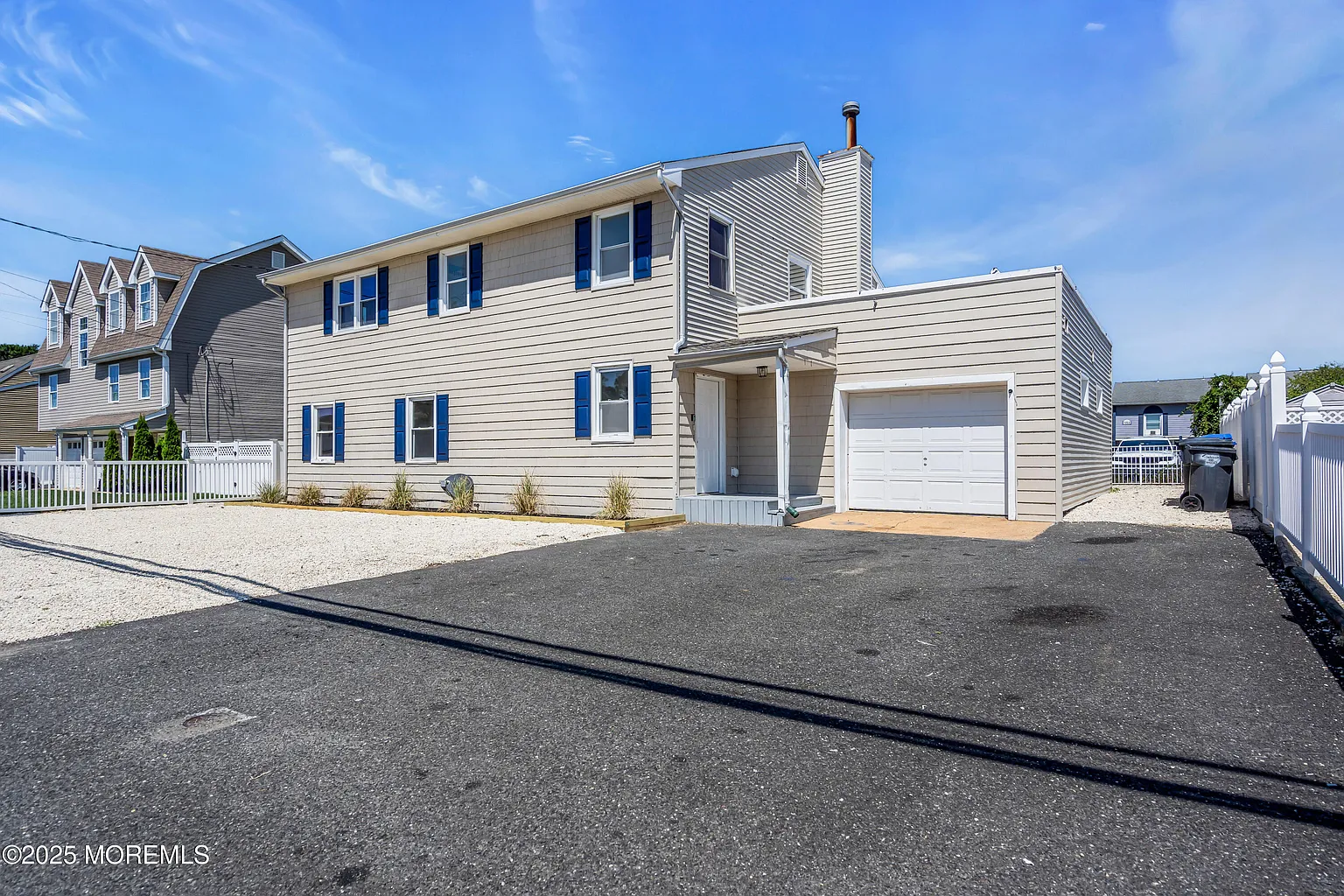
Listing soon?
Share your target photo date and we’ll build a staging plan backward from it.
or call 732-475-3439
SHARE
FREE STAGING ESTIMATE
Build the plan backward from photo day
Share your property address or town, vacant or occupied status, target photography date, priority rooms, current photos, and any planned repairs. We'll plan the pre-listing staging around it.
How Long It Takes: Common Questions
Answers for New Jersey sellers planning a listing.
How long does it take to sell a house?
The full timeline includes pre-listing preparation, days on market, the under-contract period, and closing. The exact length varies by property, price, and local market conditions.
How long does closing take in New Jersey?
Closing time varies based on financing, inspections, appraisal, contingencies, title work, and lender processing. Your agent and transaction team can provide the most relevant estimate for your sale.
Does staging help a house sell faster?
NAR’s 2025 staging survey found that 49% of sellers’ agents reported a decrease in time on market after staging. However, this does not guarantee a faster sale. Staging mainly improves how a property presents in photos and showings.
What is a normal number of days on market in New Jersey?
There is no fixed number. Days on market changes by month, location, price range, and buyer demand. Check current NJ REALTORS® data and local market information for the most relevant figure.
Why is my house not selling?
Common causes include pricing, weak presentation, poor photography, unclear room function, condition issues, or low buyer demand. Staging can address presentation problems, but not overpricing or market conditions.
How far before listing should I start preparing?
For many homes, starting 30–60 days before the target photography date allows time for repairs, decluttering, staging, and photography without rushing.
Is it slower to sell a house in winter in New Jersey?
Often, buyer activity is lower in winter than in spring, but that doesn’t mean a home can’t sell well. Pricing, preparation, inventory, and local demand still matter more than season alone.
More Seller Guidance
Preparation, pricing decisions, and what staging can and can’t do.
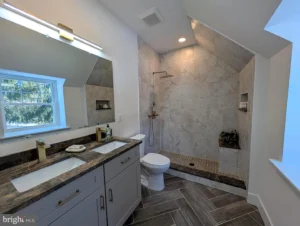
How to Stage a Bathroom for Sale: The Small Changes Buyers Notice
Home BATHROOM STAGING NJ & PHILADELPHIA How to Stage a Bathroom for Sale: The Small Changes Buyers Notice Bathrooms get
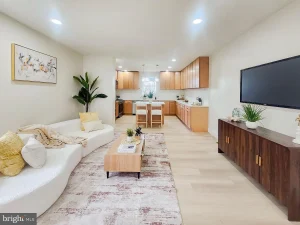
What Is Home Staging? A Plain-English Guide for New Jersey Sellers
Home STAGING 101 NEW JERSEY What Is Home Staging? A Plain-English Guide for New Jersey Sellers Home staging prepares a
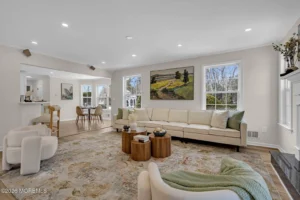
How Long Does It Take to Sell a House in New Jersey? (And What Shortens It)
Home SELLING TIMELINE NEW JERSEY How Long Does It Take to Sell a House in New Jersey? (And What Shortens
Control the stage you can control
Share your target photo date, and we’ll build a pre-listing staging plan backward from it—so the home is ready from day one.