
STAGING 101
NEW JERSEY
What Is Home Staging? A Plain-English Guide for New Jersey Sellers
Home staging prepares a property for sale so buyers can understand its layout, scale, function, and potential more easily—not decorate it around anyone’s personal taste.
StageIT Staging Team
.
October 2026
.
10 min read
KEY TAKEAWAYS
The short version
- Staging helps buyers understand a home's layout, scale, function, and potential.
- It can be vacant, occupied, or a hybrid of the two.
- It's temporary and sale-focused—not decorating or interior design.
- StageIT US provides physical staging only, never virtual staging.
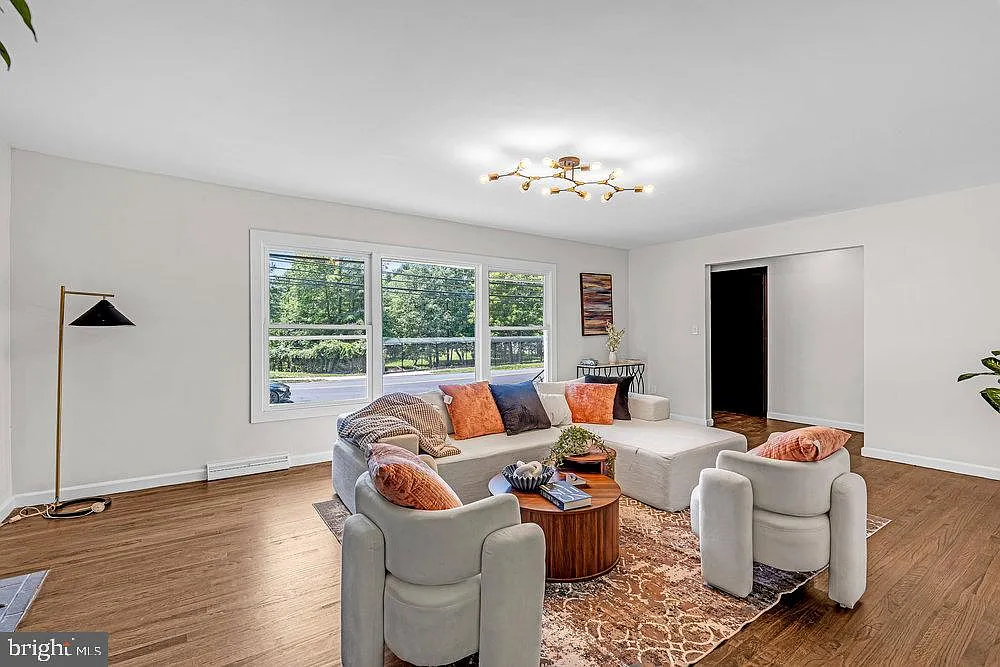
Home staging is the process of preparing a residential property for sale so it presents clearly in listing photos and during buyer walkthroughs. The focus is on helping buyers understand the home’s layout, scale, function, and potential rather than how the current owner uses the space day to day.
For example, a vacant living room may need real furniture to show scale, while an occupied bedroom may benefit from decluttering or repositioning furniture so the room feels easier to understand in photos and in person. Home staging is separate from remodeling, repairs, inspections, appraisals, pricing, or photography.
What Staging Can and Cannot Do
- Staging can
- Make room function, scale, and layout easier to understand
- Improve how a property presents in listing photos
- Help buyers visualize how they might use the space
- Create a cleaner, more focused first impression
- Work with existing furnishings or add real furniture to vacant spaces
- Staging cannot
- Fix structural, roofing, plumbing, or electrical problems
- Replace necessary repairs or address safety issues
- Determine or change the listing price
- Control market conditions or buyer demand
- Replace a professional inspection or appraisal
What a Home Stager Actually Does
A home stager prepares a property for the market by looking at how each room will appear to potential buyers in listing photos and during walkthroughs. A typical process may include:
1
Property review: assessing each room’s layout, furniture, lighting, finishes, and overall presentation.
2
Prioritizing key spaces: focusing on areas such as the living room, kitchen, primary bedroom, and entryway.
3
Improving flow and scale: reviewing furniture placement, circulation paths, and focal points.
4
Making recommendations: what to keep, remove, relocate, or reposition in occupied homes, or planning real furniture and décor for vacant spaces.
5
Installation and styling: arranging furniture and accessories so rooms feel clear, balanced, and photo-ready.
6
Preparing for photos and showings: making sure the property is ready and providing guidance for maintaining the staged look.
7
Removal: removing staging furniture and accessories when the agreed staging period ends.
Home staging does not include structural diagnosis, repairs, legal or disclosure advice, property valuation, pricing strategy, or listing photography.
Vacant Staging and Occupied Staging
The main difference between vacant and occupied staging is whether the seller is still living in the home and how much existing furniture is available to work with.
| Type | Starting point | Typical staging focus | Seller involvement |
|---|---|---|---|
| Vacant | Empty or mostly empty home | Add real furniture and décor to show scale, function, and warmth | Provide access and make sure the home is cleared and ready |
| Occupied | Seller still lives in the home | Edit, reposition, and simplify existing furnishings | Complete prep tasks and maintain the staged look for photos and showings |
| Hybrid | Mix of furnished and empty rooms | Keep suitable existing pieces and add selected staging items where needed | Coordinate with the stager on what stays, moves, or is removed |
Many properties fall somewhere between fully vacant and fully furnished. In those cases, a hybrid approach can help strengthen key rooms without staging the entire home from scratch. If you’re deciding which approach fits, see our Vacant vs. Occupied Home Staging: A New Jersey Seller’s Guide.
Staging vs. Decorating vs. Interior Design
Although these terms are sometimes used interchangeably, they serve different purposes.
| Category | Home staging | Decorating | Interior design |
|---|---|---|---|
| Main goal | Prepare a home for sale and buyer presentation | Reflect the owner's personal style | Improve long-term function and aesthetics |
| Audience | Potential buyers | Current homeowner | Client or household |
| Duration | Temporary | Ongoing | Usually project-based |
| Focus | Layout, furniture placement, accessories, and broad appeal | Décor, furnishings, and personal preferences | Space planning, finishes, materials, sometimes renovation coordination |
Home staging isn’t about making every property look neutral or identical. The goal is to create clear, balanced spaces that photograph well and help buyers understand the home, while still highlighting distinctive architecture or finishes.
Physical Staging vs. Virtual Staging
The key difference is simple: physical staging changes the actual property, while virtual staging changes the listing image.
| Category | Physical staging | Virtual staging |
|---|---|---|
| What is added | Real furniture and accessories | Digitally added furniture and décor |
| Seen in person | Yes | No |
| Seen in listing photos | Yes, exactly as staged | Yes, but only in the edited image |
| StageIT US provides | Yes | No |
StageIT US provides physical staging only
We place real furniture and accessories inside New Jersey properties for listing photos and in-person showings. We do not provide virtual staging. StageIT US also offers virtual consultations, where the property is reviewed through photos or video—this is different from virtual staging because no furniture is digitally added to the listing images.
What Staging Costs and Who Usually Pays
Home staging costs vary based on the property and the amount of work required, so there’s no single price that applies to every home. Common factors that affect cost include:
Property size and scope:
staging more rooms generally increases the overall cost.
Furniture and décor needs:
vacant homes may require furniture, accessories, delivery, installation, and styling.
Priority rooms:
some sellers stage only the spaces that matter most for photos and showings.
Access and logistics:
elevators, multi-unit buildings, limited access, or active construction can affect the scope.
Staging period:
extending the agreed staging period may involve additional costs.
The seller commonly pays for staging, although some real estate agents or brokerages may contribute to certain staging services as part of their listing package. Arrangements vary, so sellers should confirm this with their agent and staging company. For more detail, see our How Much Does Home Staging Cost in New Jersey and Do Realtors Pay for Home Staging, or Does the Seller Pay? guides.
Does Staging Make a Difference?
The clearest benefit of home staging is presentation. When rooms are easier to understand in listing photos and during walkthroughs, buyers can more quickly see the home’s layout, scale, and potential.
83% of buyers' agents said staging made it easier for buyers to visualize a property as a future home.
Sellers’ agents also reported reduced time on market in some cases. These findings reflect agent survey responses, not proof that staging alone caused a specific sale outcome. Staging also has limits—it cannot correct overpricing, major structural or system problems, location-related drawbacks, or weak buyer demand. Whether staging makes sense for a particular New Jersey property depends on the home’s condition, price point, competition, and which rooms matter most in photos and showings.
Getting Started With a Stager in New Jersey
If you’re considering staging your New Jersey home, the process usually begins with a consultation or property review.
SAVEABLE CHECKLIST
Before Contacting a Stager, Have
These details make the first conversation faster and more useful.
- Property address and town
- Photos of the main rooms
- Access, parking, or building details
- A general idea of which furniture will remain
- Vacant, occupied, or partially furnished
- Target photography or listing date
- Any HOA or delivery restrictions
- A typical process flows through these stages:
Property review → staging scope & estimate → seller preparation → staging installation → listing photography & showings → furniture removal
If you want to understand the first step, see What Happens During a Home Staging Consultation? A Room-by-Room Walkthrough. StageIT US provides property-specific physical staging for New Jersey homes, both occupied and vacant. Call 732-475-3439 to schedule a consultation.
IN THIS ARTICLE
Want your actual number?
Get a property-specific, all-inclusive estimate—delivery, styling, and removal included.
or call 732-475-3439
SHARE
FREE STAGING ESTIMATE
See what staging could look like for your home
Share your property address, whether it's vacant or occupied, photos of the main rooms, and your target listing date. We'll walk you through the right approach.
What Is Home Staging: Common Questions
Plain answers for New Jersey sellers new to staging.
What is home staging?
Home staging is the process of preparing a property for sale so buyers can better understand its layout, scale, function, and potential. It may involve decluttering, rearranging existing furniture, or adding real furniture and décor to vacant spaces.
What does a home stager do?
A home stager reviews the property, identifies priority rooms, and improves how each space presents to buyers. This may include repositioning existing furniture or installing real furniture and accessories in vacant rooms.
What does 'stager' mean?
A stager is a professional who prepares a property for the real estate market, focusing on how rooms appear in listing photos and during buyer walkthroughs.
Is home staging the same as interior design?
No. Home staging is temporary and sale-focused, while interior design is usually centered on the current occupant’s long-term lifestyle, preferences, and functional needs.
Is virtual staging the same as home staging?
No. Physical staging places real furniture and accessories inside the property. Virtual staging adds furniture digitally to listing images. StageIT US provides physical staging only, not virtual staging.
How much does home staging cost?
Costs vary based on the property, number of rooms, furniture needs, access, and staging period. There is no universal flat rate, so a property-specific estimate is the best way to understand the cost.
Is home staging worth it?
It depends on the property and market. Staging can be especially useful when buyers may have difficulty understanding a room’s scale, function, or layout. However, it does not replace necessary repairs, appropriate pricing, or market demand.
Staging, Step by Step
The consultation, the vacant-vs-occupied decision, and whether it’s worth it.
How to Stage a Bathroom for Sale: The Small Changes Buyers Notice
Home BATHROOM STAGING NJ & PHILADELPHIA How to Stage a Bathroom for Sale: The Small Changes Buyers Notice Bathrooms get
What Is Home Staging? A Plain-English Guide for New Jersey Sellers
Home STAGING 101 NEW JERSEY What Is Home Staging? A Plain-English Guide for New Jersey Sellers Home staging prepares a
How Long Does It Take to Sell a House in New Jersey? (And What Shortens It)
Home SELLING TIMELINE NEW JERSEY How Long Does It Take to Sell a House in New Jersey? (And What Shortens
Real furniture. Real rooms. Clear presentation.
Share your property details, and we’ll explain exactly what staging would involve for your home—physical staging only, no virtual.