
PRE-LISTING BUDGET
NEW JERSEY
Renovate or Stage Before Selling in NJ? How to Prioritize Your Pre-Listing Budget
Repair, repaint, renovate, or stage? Each solves a different problem. The first step is identifying what’s actually limiting your property’s presentation—before you spend.
StageIT Staging Team
.
September 2026
.
10 min read
KEY TAKEAWAYS
The short version
- Repairs, cosmetic updates, staging, and renovation each solve a different problem.
- Condition first, presentation second—staging never hides a material defect.
- Separate necessary repairs from presentation choices before spending.
- Set the photography date first, then work backward to decide what fits.
Sellers preparing a New Jersey home for market often ask: should I renovate, repaint, repair, or stage? These options solve different problems, so the first step is identifying what is actually limiting the property’s presentation.
Repairs
Address defects or maintenance issues—condition problems, not presentation ones.
Cosmetic updates
Improve dated or worn finishes without a major project.
Staging
Helps buyers understand scale, layout, and room function.
Renovation
May be appropriate when a larger improvement is justified by property, market, timeline, and budget.
For example, furniture cannot solve active water damage, and fresh paint will not clarify a confusing layout. Likewise, a major kitchen remodel may not be the best use of the pre-listing budget if the main issue is an empty living space that photographs poorly.
Separate Necessary Repairs From Presentation Choices
If you’re deciding what to fix before selling a house, start by identifying issues that affect the home’s condition, function, or safety. Examples may include active leaks or moisture problems, damaged surfaces, nonfunctioning systems, safety concerns, and other material repair issues.
Staging never compensates for condition
These are condition problems, not presentation problems. Staging should never be used to hide or compensate for them. Review the property with your listing agent and, when appropriate, a qualified professional licensed where required before deciding how much to spend on presentation.
Once necessary repairs are separated out, you can evaluate more flexible presentation issues such as dated but functional finishes, distracting surfaces, rooms that feel empty or difficult to understand, and spaces that don’t photograph well. This distinction keeps the pre-listing budget focused on the right problem.
Repair, Update or Stage: A Decision Table
Use this as a starting point, not a universal rule. The right choice depends on the property, listing strategy, budget, and timeline.
| Property issue | Likely first question | Most likely category |
How staging fits |
|---|---|---|---|
| Active leak, visible damage, or unsafe/nonfunctional feature | Does this need professional repair or assessment first? | Necessary repair | Stage after the issue has been assessed and appropriately addressed. |
| Worn or distracting paint / finishes | Would a limited cosmetic refresh improve presentation? | Targeted cosmetic update | Stage after the update so the final presentation is consistent. |
| Empty living room or bedroom | Can buyers understand scale and function without furniture? | Staging / presentation | Furniture can show scale, define use, and support photography. |
| Large open-plan area with unclear zones | Is the issue the layout, or simply how the space is presented? | Usually staging / presentation | Furniture placement defines living, dining, and circulation areas. |
| Occupied home with oversized or mismatched furniture | Can editing, repositioning, or selective additions solve it? | Occupied / hybrid staging | Focus on decluttering, editing, and layout before replacing furniture. |
| Dated but functional kitchen or bath | Is a major remodel justified by listing strategy, budget, and timeline? | Case-by-case | Staging can't change fixed finishes, but it can improve the surrounding presentation. |
The goal is to identify which type of solution the property actually needs before spending the pre-listing budget.
When a Targeted Cosmetic Update May Be Appropriate
A cosmetic update makes sense when a specific, visible presentation issue can be improved without a major renovation, high cost, or listing delay. Common examples include fresh paint, updated hardware, replaced light fixtures, and minor flooring or surface touch-ups. The better question is whether the issue is noticeable enough to affect how the property presents in person or in listing photos. Before spending, ask:
Is the issue clearly visible in photos or during walkthroughs?
Does it affect an important room such as the living area, kitchen, or primary suite?
Can it be completed within the available budget and timeline?
Does the listing agent believe the update will improve the property's presentation?
If a cosmetic update is worth doing, complete it before staging installation. This avoids unnecessary restaging and ensures the furniture and photography reflect the property’s finished condition.
When a Larger Renovation May Be Worth Discussing
A larger renovation requires a different decision than a cosmetic refresh. Before committing to major work, consider whether the existing condition is materially affecting the listing strategy, whether comparable properties support the improvement, how long the project will take, and whether the seller can complete it without delaying the planned launch.
Discuss the decision with the listing agent using current local market conditions and comparable listings or sales. Also account for contractor availability, permits where applicable, material lead times, and the possibility that the work expands once it begins.
Renovation should not be treated as an automatic requirement before selling.
SELLER PRINCIPLE · PROPERTY, MARKET, BUDGET, TIMELINE
The question is whether the specific improvement makes sense for the property, market, budget, and listing timeline.
When Furniture and Layout Are the Main Problem
Physical home staging is most useful when the main issue is how buyers understand and experience the space, rather than the property’s condition. Common examples include:
Vacant rooms:
furniture helps show scale, function, and how rooms relate to one another.
Open-plan spaces:
thoughtful placement can define living, dining, and circulation zones without structural changes.
Occupied homes:
editing, repositioning, and selective additions reduce visual clutter and improve how rooms photograph.
Flex rooms or secondary bedrooms:
staging can give an unclear space a more specific and useful purpose.
Staging can improve how a property presents in photos and during walkthroughs, but it does not change the home’s condition, fixed finishes, location, or underlying layout. For a closer look at the investment decision, see our guide to whether home staging is worth it in New Jersey.
Match the Work to the Listing Schedule and Budget
For presentation work, the photography date should serve as the main working deadline. A seller with two weeks before photos has very different options from one with two months. For each planned task, ask: how much calendar time does this require, and can it be completed before photography? Consider:
Cosmetic updates:
allow time for contractors, materials, application, and drying or curing.
Repairs:
may require multiple trades, inspections, or follow-up work.
Staging:
requires scope confirmation, inventory availability, scheduling, and installation before photography.
Photography and listing prep:
need to happen after the property is fully ready.
A practical approach is to set the photography date first, work backward, and confirm contractor and staging availability before committing to unnecessary work. For staging-specific budget considerations, see our guide to home staging costs in New Jersey.
How the Decision Plays Out Differently
The right pre-listing choice depends on the property. These illustrative examples show how the priorities shift.
A
Vacant, move-in-ready property
The home is vacant, clean, recently painted, and in good condition. The main issue is that empty rooms make scale and layout harder to understand in photos.
Likely priority: stage the key rooms that most need a furnished reference—living room, dining area, and primary bedroom. Extensive cosmetic work is less important because the property is already presentation-ready.
B
Occupied property with a dated but functional kitchen
The kitchen has older but functional finishes. Elsewhere, furniture is awkwardly arranged or oversized for the rooms.
Likely priority: improve the occupied spaces through editing, repositioning, and selective staging. A small cosmetic kitchen update may be worth considering if it fits the budget and schedule. A full renovation should depend on the listing strategy, local market context, timeline, and agent guidance.
C
Property with a condition issue that needs assessment first
The property shows signs of water intrusion.
Likely priority: have the issue assessed and addressed by a qualified professional before spending on staging or cosmetic presentation. The correct sequence is condition first → presentation second.
Agree on the Scope Before Spending
A smart pre-listing plan starts by deciding what each type of work is meant to solve. A practical sequence:
SAVEABLE CHECKLIST
Pre-Listing, In Order
Work through these steps before committing the budget.
Walk the property with the listing agent
— identify condition concerns, presentation issues, and priority rooms.
Get professional input where needed
— structural, electrical, plumbing, moisture, or safety concerns assessed first.
Choose cosmetic updates selectively
— only changes that fit the budget, timeline, and listing strategy.
Scope the staging work
— identify which rooms have scale, layout, or furniture problems staging can address.
- Optional updates shouldn't consume the budget before the main problem is clear
The order matters. Optional updates should not consume the budget before the main presentation problem is clear, and staging should come after material condition issues have been addressed.
Scope the Presentation Work Before Spending
StageIT US can review the property and identify which rooms may benefit from staging before you commit to other optional improvements. To request a property-specific consultation or estimate, share the property address and town, vacant or occupied status, known repairs or cosmetic updates already planned, priority rooms, access details, and target photography or listing date. Call 732-475-3439 or request a property-specific staging proposal online.
IN THIS ARTICLE
Unsure where to spend?
Get a property-specific view of which rooms staging can actually help—before you commit budget elsewhere.
or call 732-475-3439
SHARE
FREE STAGING ESTIMATE
Spend the pre-listing budget on the right problem
Share the property address and town, occupancy status, any repairs or cosmetic updates already planned, priority rooms, access details, and target photography date. We'll identify which rooms staging can actually help.
Renovate or Stage: Common Questions
Answers for New Jersey sellers prioritizing a pre-listing budget.
Should I renovate or stage before selling?
Address necessary repairs first. Then consider targeted cosmetic updates for visible presentation issues and staging for scale, furniture, layout, and room-function problems. Consider a larger renovation only when it makes sense for the property, market, budget, and listing timeline.
Can staging replace necessary repairs?
No. Staging improves presentation, but it does not fix damage, unsafe conditions, broken systems, or other material defects.
Should I paint before bringing in staging furniture?
Only if the paint is visibly worn, distracting, or likely to affect how the home presents in photos or walkthroughs. If repainting is needed, complete it before staging.
How do I prioritize a limited pre-listing budget?
Separate your list into three categories: necessary repairs, cosmetic updates, and staging needs. Address condition issues first, then prioritize the presentation work that best fits the listing strategy, budget, and timeline.
Plan Your Pre-Listing Spend
More on the staging investment decision and what it costs.

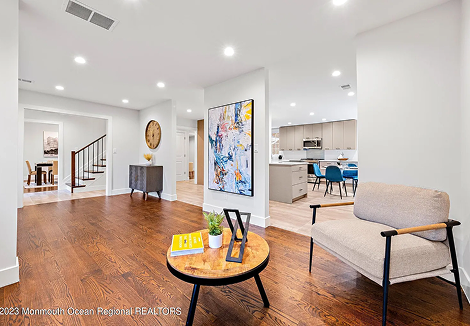
Home Staging Colts Neck NJ — 4BR Renovated Ranch
Home Staging Colts Neck NJ — 4BR Renovated Ranch Sold for $1,300,000 Project Overview StageIt US completed this home staging
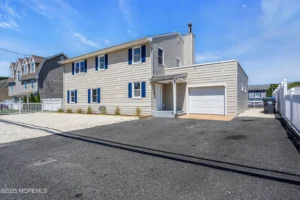
Home Staging Toms River NJ — 7BR Green Island Coastal Retreat
Home Staging Toms River NJ — 7BR Green Island Coastal Retreat Sold for $608,000 Project Overview StageIt US completed this
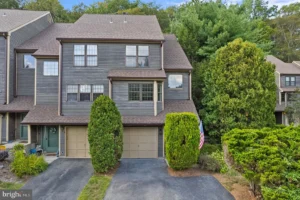
Home Staging West Milford NJ — 2BR 1986 Townhouse
Home Staging West Milford NJ — 2BR 1986 Townhouse Sold for $420,000 Project Overview 2-bed, 2.5-bath, 1,466 sqft 1986-built traditional
Condition first, presentation second
Get a property-specific view of which rooms staging can help—so optional updates don’t consume the budget before the main presentation problem is clear.