
FOR AGENTS
NJ & PHILADELPHIA
Do Real Estate Agents Pay for Staging? What NJ Agents Should Know
Sometimes—but it isn’t a standard requirement. The more useful question for agents is when contributing to staging makes strategic sense, and what to agree on before staging begins.
StageIT Staging Team
.
August 2026
.
9 min read
KEY TAKEAWAYS
The short version
- Sellers commonly pay; agent contribution is a business decision, not an industry obligation.
- Never assume pay-at-closing—confirm the staging company specifically offers it.
- The key distinction is a defined, capped contribution vs. covering unlimited staging costs.
- Whoever pays, start with a written estimate so scope, term, and cost are clear.
Do real estate agents pay for staging? Sometimes—but it isn’t a standard requirement. In New Jersey and the Philadelphia area, sellers commonly pay because staging is part of preparing their property for market.
However, some agents or brokerages may choose to contribute toward staging costs, cover a specific staging service, or include staging within a broader listing-marketing plan. These arrangements are based on the individual listing and agreement, not an industry-wide obligation. For agents, the more useful question is when contributing to staging makes strategic sense and what should be agreed on before the staging begins.
Who Typically Pays for Home Staging?
In most cases, the seller pays because staging is part of preparing the property for market. But the person recommending staging, approving the scope, signing the agreement, and paying the invoice may not always be the same.
Seller pays
Seller approves the scope and pays the full invoice.
Agent contributes
Agent or brokerage covers a defined service or portion of the cost.
Shared cost
Agent and seller divide the expense by an agreed amount or percentage.
Included in a marketing plan
A specific staging service is included in the agreed listing-marketing plan.
For a broader explanation of payment arrangements, see the seller-focused guide on who typically pays for home staging. The rest of this article focuses on when an agent contribution may make sense and what should be agreed before staging begins.
When Agents Choose to Cover Staging Costs
Agent-funded staging is a business and marketing decision, not a standard obligation. It may make sense when the contribution is clearly defined and tied to the needs of a specific listing. Common situations include:
Part of a consistent marketing plan:
the agent coordinates a consultation, covers a defined staging service, or offers a fixed contribution as part of the listing strategy.
Established relationship with a stager:
repeat partnerships make pricing, scope, and workflow easier to predict.
The presentation issue is significant:
vacant or poorly defined rooms may need furniture to communicate scale and function clearly.
The contribution is capped:
the agent covers a specific service or amount, while the seller pays for anything beyond that scope.
The key distinction is between a defined contribution and agreeing to cover unlimited staging costs.
AGENT PRINCIPLE · CONTRIBUTION CAPS
Any cap, room scope, or service included should be agreed in advance and aligned with the brokerage’s marketing-expense policy.
When the Seller Pays Directly
Seller-paid staging is the more common arrangement because staging prepares the seller’s property for market. But that doesn’t mean the agent is uninvolved. Agents can still support the process by:
Recommending a trusted staging company
Helping prioritize the rooms that matter most for photos and buyer perception
Coordinating staging with photography and the listing launch
Reviewing the proposal so the seller understands scope, rental term, extension terms, and removal
Recommending and coordinating staging is part of the agent’s service. Paying for it is a separate business decision. For more on pricing, see the New Jersey home staging cost guide.
Splitting the Cost: How Shared Arrangements Work
Shared staging costs can work well when the agent and seller agree on the details before installation. Before contributing, it’s worth working through six questions:
SHOULD THE AGENT CONTRIBUTE?
Six questions to ask first
- Will staging solve a real presentation issue—vacant rooms, poor scale, or unclear function?
- Is the staging scope specific enough to set a contribution limit?
- Is the agent's contribution capped in writing?
- Who pays if the rental period needs to be extended?
- Does the contribution fit the agent's marketing budget and brokerage policy?
- Has the staging company confirmed the invoice recipient, payment timing, and cancellation terms?
Shared arrangements can take different forms—a fixed amount with the seller covering the balance, a defined key-room service with the seller paying for additional rooms, or a percentage split of an approved total. Whatever the structure, document who pays what, who approves additional costs or extensions, and what happens if installation dates or scope change.
Paying at Closing: Is It an Option?
Sometimes—but only if the staging company specifically offers a deferred or closing-linked payment arrangement. Never assume staging can be paid at closing. Before agreeing to this structure, confirm whether deferred payment is actually available, who owes the invoice if the listing doesn’t close, how rental extensions are handled before closing, when removal occurs, and whether the seller’s attorney or closing professional should review the arrangement.
Confirm StageIT US's current policy first
For StageIT US, confirm the current payment policy directly before presenting a pay-at-closing option to a seller. An accepted offer does not automatically end the staging period—rental charges or other obligations may continue until the agreed removal terms are satisfied.
How Staging Fits Into a Listing Presentation
Agents should be specific about what “staging included” actually means. A vague promise can create expectations that don’t match the service being offered. Common approaches include:
Consultation coordinated:
the agent arranges a professional consultation so the seller understands the recommended scope before deciding on installation.
Defined contribution:
the agent offers a fixed amount toward staging or a specific service.
Preferred staging vendor:
the agent recommends StageIT US and coordinates the process without funding it.
Seller-paid with agent coordination:
the seller pays, while the agent manages timing, access, and photography coordination.
Whatever the arrangement, clarify the scope, who pays, what any contribution covers, and what happens if the property needs more staging than originally planned.
What Agents Should Ask a Staging Company
Whether paying, contributing, or coordinating for the seller, confirm the key details before staging is booked:
| Topic | Question to ask |
|---|---|
| Scope | Which specific rooms are recommended, and why those rooms? |
| Inclusions | What furniture, decor, delivery, installation, and removal are included in the estimate? |
| Lead time | How much time is needed between agreement and installation? |
| Rental term | What period does the quoted price cover? |
| Extensions | How are extension days priced, and who authorizes them? |
| Invoice & payment | Who receives the invoice, and what are the payment timing and deposit requirements? |
| Schedule changes | What happens to the estimate if photography, installation, or access dates change? |
| Insurance & damage | What responsibilities apply while staging inventory is in the property? |
| Repeat listings | Is there a workflow for agents with multiple upcoming listings? |
SAVEABLE CHECKLIST
Confirm Before You Book Staging
Get these in writing to prevent confusion once the property is staged.
- Rooms and services included
- Who receives and pays the invoice
- Rental period and extension terms
- Removal timing and coordination
- Who signs the agreement
- Any agent contribution limit
- Schedule-change policy
- Save this for every listing where an agent contribution or coordination is involved.
Working With StageIT US on Your Next Listing
StageIT US provides physical home staging for vacant, occupied, and key-room projects across New Jersey and the Philadelphia area. To request a property-specific estimate, share the property address, occupancy status, priority rooms, access or logistics details, target photography or listing date, and agent and seller contact details if both are involved. A written estimate gives everyone a clear scope, rental term, and cost before deciding how payment will be handled. Whether the seller pays, the agent contributes, or the cost is shared, starting with a defined estimate keeps the arrangement clear from the beginning.
IN THIS ARTICLE

Have an upcoming listing?
Get a written estimate with clear scope, rental term, and cost—before deciding who pays.
or call 732-475-3439
SHARE
FOR AGENTS & BROKERAGES
Discuss an upcoming listing with StageIT US
We can assess the property, provide a written estimate, and coordinate staging around your photography and listing timeline. Virtual consultations are available across New Jersey and Philadelphia.
Agents & Staging: Common Questions
Answers for New Jersey and Philadelphia agents and brokerages.
Do real estate agents pay for home staging?
Sometimes. Sellers commonly pay, but agents or brokerages may cover a specific service, contribute a fixed amount, or include staging in a listing-marketing plan. There is no industry-wide requirement for agents to pay.
Can staging costs be paid at closing?
Sometimes, if the staging company specifically allows deferred or closing-linked payment. Confirm who is responsible if the listing does not close and how rental extensions or other charges are handled.
Is staging a tax-deductible expense for real estate agents?
It may depend on the agent’s business structure and tax situation. Consult a CPA or qualified tax professional for advice. This article does not provide tax guidance.
Do agents get a discount on staging?
Some staging companies may offer repeat-client or volume arrangements, but these are not universal. Ask StageIT US directly whether any current agent or repeat-listing arrangements are available.
Who pays if the house does not sell?
Responsibility follows the staging agreement, not the sale outcome. Review the payment, rental-extension, cancellation, and removal terms before signing.
Agent Resources
More on partnering with StageIT US across New Jersey and Philadelphia.

Home Staging Colts Neck NJ — 4BR Renovated Ranch
Home Staging Colts Neck NJ — 4BR Renovated Ranch Sold for $1,300,000 Project Overview StageIt US completed this home staging
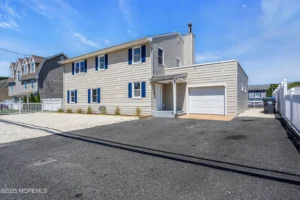
Home Staging Toms River NJ — 7BR Green Island Coastal Retreat
Home Staging Toms River NJ — 7BR Green Island Coastal Retreat Sold for $608,000 Project Overview StageIt US completed this

Home Staging West Milford NJ — 2BR 1986 Townhouse
Home Staging West Milford NJ — 2BR 1986 Townhouse Sold for $420,000 Project Overview 2-bed, 2.5-bath, 1,466 sqft 1986-built traditional
Start every listing with a defined estimate
Whether the seller pays, the agent contributes, or the cost is shared, a written estimate keeps scope, term, and cost clear from the beginning.